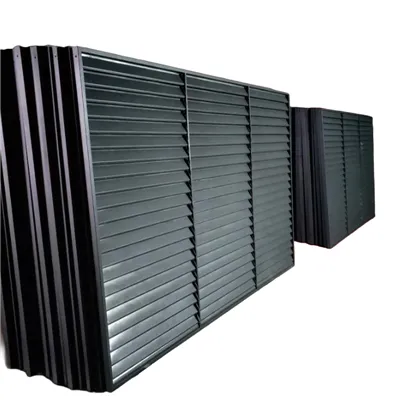

Are there any decorative balcony railings that are resistant to insects?
As a supplier of Decorative Balcony Railing, I often encounter inquiries from customers regarding the insect - resistance of balcony railings. Insects can be a nuisance, not only causing damage to the railing structure but also affecting the overall aesthetic and comfort of the balcony area. In this blog, we will explore whether there are decorative balcony railings that can resist insects and what factors contribute to their insect - resistance.
The Problem of Insects on Balcony Railings
Insects such as termites, carpenter ants, and beetles can pose a significant threat to balcony railings, especially those made of wood. These pests can bore into the wood, weaken the structure, and eventually lead to costly repairs or replacements. Even non - wood railings can attract insects in some cases. For example, certain types of insects may be attracted to the dirt and debris that accumulate on metal or plastic railings, and they can also cause staining and corrosion over time.
Insect - Resistant Materials for Balcony Railings
1. Metal Railings
Metal railings, such as stainless steel and aluminum, are generally highly resistant to insects. Stainless steel is known for its durability and corrosion - resistance. It does not provide a suitable environment for insects to nest or feed. The smooth surface of stainless steel makes it difficult for insects to grip and bore into. Aluminum is another popular choice. It is lightweight, yet strong, and has a natural oxide layer that protects it from corrosion. Insects have no interest in aluminum as it does not contain any organic matter that they can consume. Our Commercial Railing Systems often use high - quality stainless steel and aluminum, which are perfect for areas where insect infestation is a concern.
2. PVC Railings
PVC (Polyvinyl Chloride) railings are also insect - resistant. PVC is a synthetic material that insects cannot digest. It is easy to clean and maintain, and its smooth surface does not attract dirt and debris that could potentially attract insects. PVC railings come in a variety of styles and colors, making them a great option for decorative balcony applications. Our Decorative Balcony Railing made of PVC can provide both aesthetic appeal and insect - resistance.
3. Treated Wood Railings
While wood is a natural target for insects, treated wood can offer some level of insect - resistance. Pressure - treated wood is infused with chemicals that deter insects. These chemicals can prevent termites, carpenter ants, and other wood - boring insects from attacking the wood. However, it is important to note that the effectiveness of the treatment may wear off over time, especially if the wood is exposed to harsh weather conditions. Regular maintenance and re - treatment may be required to ensure long - term insect - resistance.
Design Features for Insect - Resistance
In addition to the choice of materials, the design of the balcony railing can also play a role in insect - resistance.
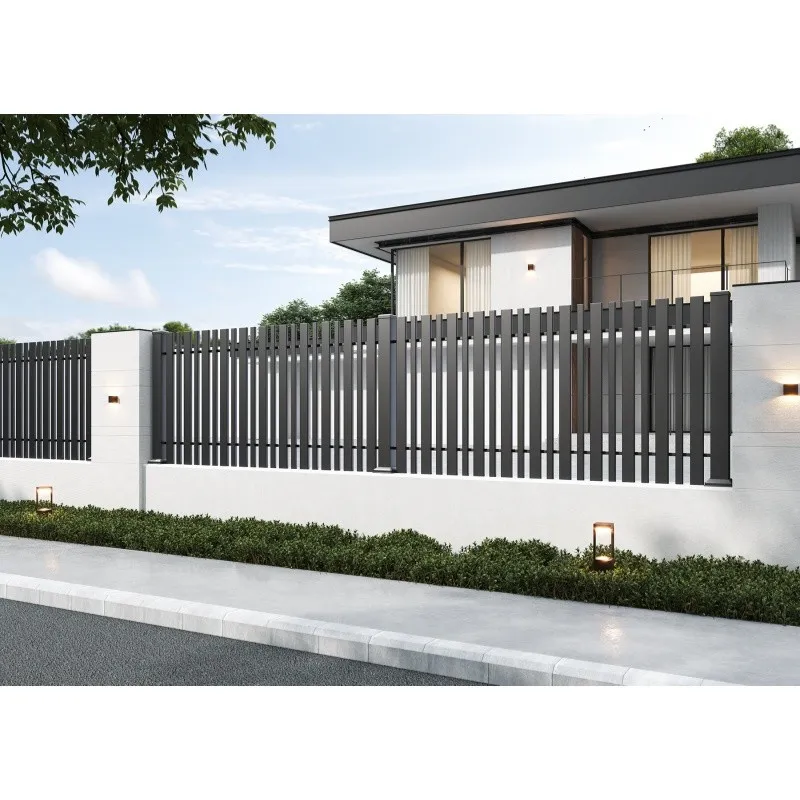
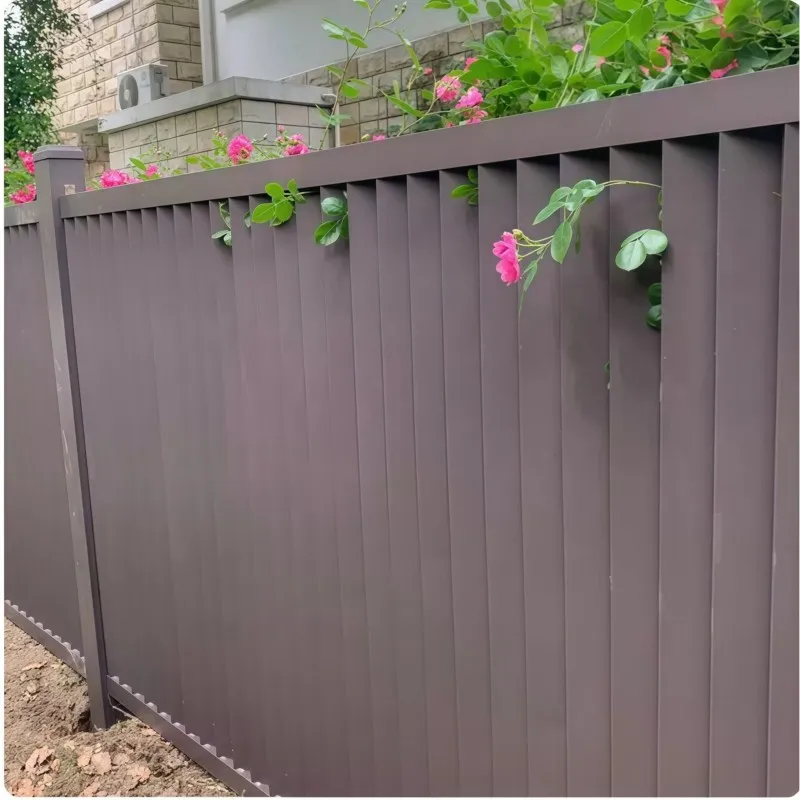
1. Smooth Surfaces
Balcony railings with smooth surfaces are less likely to attract insects. Insects prefer rough or porous surfaces where they can hide and build nests. A smooth railing surface makes it difficult for insects to find a suitable place to settle. Our Assembled Grille Railing has a smooth finish, which not only enhances its aesthetic appeal but also reduces the risk of insect infestation.
2. Sealed Joints
Properly sealed joints in the railing system can prevent insects from entering the interior of the railing. Insects can use small gaps and crevices as entry points. By ensuring that all joints are sealed, we can create a more insect - proof environment. This is especially important for railings made of multiple components.
3. Elevated Design
An elevated balcony railing design can reduce the contact between the railing and the ground. Many insects, such as termites, are more likely to attack structures that are in direct contact with the soil. By elevating the railing, we can minimize the risk of insect infestation from the ground.
Maintenance for Insect - Resistance
Even with insect - resistant materials and designs, regular maintenance is crucial to keep the balcony railing free from insects.
1. Cleaning
Regular cleaning of the balcony railing can remove dirt, debris, and any potential food sources for insects. Use a mild detergent and water to clean the railing surface. For metal and PVC railings, a simple wipe - down can be sufficient. For wood railings, more thorough cleaning may be required to remove any dirt that has accumulated in the pores.
2. Inspection
Periodically inspect the balcony railing for signs of insect damage. Look for small holes, sawdust, or any other indications of insect activity. Early detection can prevent the problem from spreading and causing more significant damage.
3. Treatment
If signs of insect infestation are detected, appropriate treatment should be applied immediately. For metal and PVC railings, insecticides may not be necessary, but for wood railings, a suitable insecticide or wood preservative can be used to eliminate the insects and prevent future infestations.
Conclusion
In conclusion, there are indeed decorative balcony railings that are resistant to insects. Metal, PVC, and treated wood are all viable options, each with its own advantages. By choosing the right materials, incorporating insect - resistant design features, and maintaining the railing properly, we can ensure that the balcony railing remains free from insect damage and retains its aesthetic appeal for years to come.
If you are interested in our insect - resistant decorative balcony railings, we invite you to contact us for more information and to discuss your specific requirements. Our team of experts is ready to assist you in selecting the perfect railing for your balcony.
References
- "Building Materials and Construction" by John R. Hoke
- "Insect Biology and Ecology" by Peter W. Price