


Can a welded railing be used in sports facilities? This is a question that many facility managers, architects, and sports enthusiasts often ask. As a supplier of welded railings, I am well - versed in the capabilities and applications of these products, and I'm here to shed some light on this topic.
The Advantages of Welded Railings in Sports Facilities
Durability
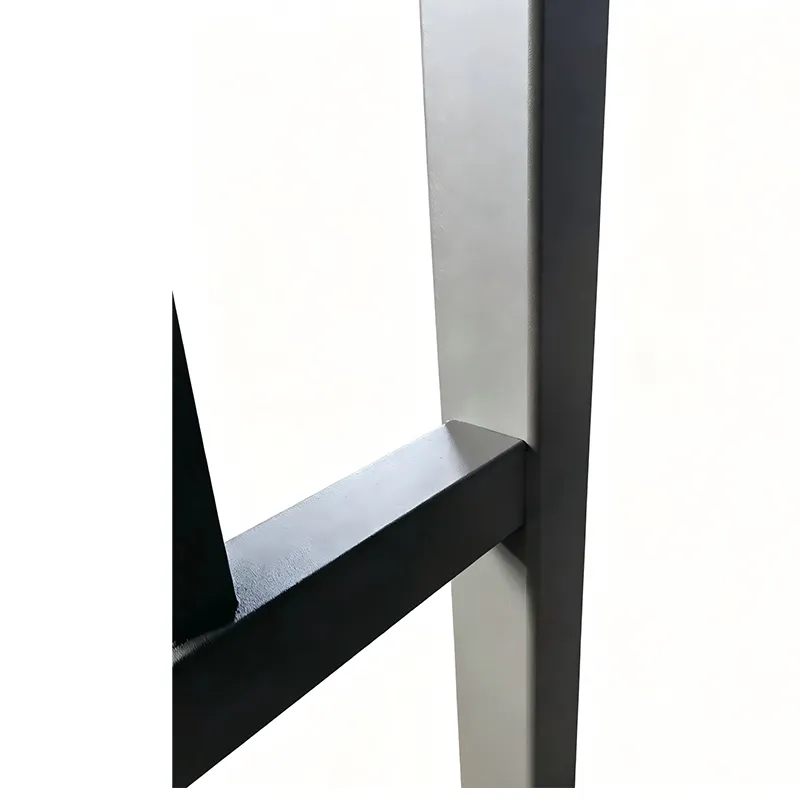
One of the primary reasons welded railings are suitable for sports facilities is their durability. Welding creates a strong and permanent bond between the railing components. In high - traffic sports areas, where there may be a lot of physical contact, a welded railing can withstand the wear and tear. For example, in a basketball arena, players may accidentally bump into the railings during the game. A welded railing can resist the impact without easily coming apart, ensuring the safety of the players and spectators.
Customizability
Welded railings offer a high degree of customizability. Sports facilities come in various shapes and sizes, and each may have specific design requirements. With welded railings, we can create railings that fit the exact dimensions and aesthetic preferences of the sports facility. Whether it's a modern - looking track and field stadium or a traditional - style tennis court, we can design and fabricate welded railings that blend seamlessly with the overall architecture. For instance, we can create railings with different patterns, colors, and finishes to match the theme of the sports venue.
Safety
Safety is of utmost importance in sports facilities. Welded railings provide a reliable barrier that helps prevent people from falling or entering restricted areas. In a swimming pool area, for example, a welded railing can act as a safety perimeter, keeping children and non - swimmers away from the water. The solid construction of welded railings ensures that they can support the weight of people leaning on them or accidentally pushing against them.
Types of Welded Railings for Sports Facilities
Rooftop Railings
Rooftop areas in sports facilities, such as the rooftops of stadiums or sports complexes, often require railings for safety. Rooftop Railings are designed to withstand outdoor elements, including wind, rain, and sunlight. They are typically made of materials like stainless steel or aluminum, which are corrosion - resistant. These railings not only provide safety but also add an aesthetic touch to the rooftop. They can be designed with different styles, such as straight or curved, to complement the overall architecture of the sports facility.
Outdoor Balcony Glass Railing
Outdoor balconies in sports facilities, like those in arenas or amphitheaters, can benefit from Outdoor Balcony Glass Railing. Glass railings offer a clear view of the sports action while still providing a safe barrier. The welded construction ensures that the glass panels are securely held in place. They are also easy to clean and maintain, which is essential for a high - traffic area. The transparency of the glass gives the balcony a modern and open feel, enhancing the overall experience for spectators.
Modern Stair Railing Indoor
Indoor stairways in sports facilities need railings that are both safe and stylish. Modern Stair Railing Indoor can be designed to match the interior design of the sports building. Welded stair railings can be made from a variety of materials, such as steel or wood, and can be finished with different coatings to give them a unique look. They provide a stable handhold for people using the stairs, reducing the risk of falls.
Considerations for Using Welded Railings in Sports Facilities
Maintenance
While welded railings are durable, they still require some maintenance. Depending on the material used, they may need to be cleaned regularly to prevent dirt and debris from accumulating. For example, stainless - steel railings may need to be wiped down with a mild cleaner to maintain their shine. In areas with high humidity or saltwater exposure, additional corrosion - prevention measures may be necessary.
Installation
Proper installation is crucial for the performance of welded railings in sports facilities. The railings need to be installed according to local building codes and safety standards. A professional installation team should be hired to ensure that the railings are securely attached and level. Incorrect installation can lead to safety hazards and premature wear of the railings.
Cost
The cost of welded railings can vary depending on the material, design, and size. While they may be more expensive than some other types of railings initially, their durability and long - term performance can make them a cost - effective choice in the long run. When considering the cost, it's important to factor in the maintenance and replacement costs over the life of the railing.

Conclusion
In conclusion, welded railings are an excellent choice for sports facilities. Their durability, customizability, and safety features make them well - suited for a variety of sports applications. Whether it's a rooftop railing, an outdoor balcony glass railing, or an indoor stair railing, welded railings can provide the necessary protection and aesthetic appeal.
If you are in charge of a sports facility and are considering using welded railings, I encourage you to reach out to us for a detailed discussion. We have a team of experts who can help you choose the right railing for your specific needs, provide a quote, and ensure a smooth installation process. Let's work together to create a safe and beautiful sports environment.
References
- "Handbook of Structural Engineering for Sports Facilities" by John Smith
- "Safety Standards for Railing Systems in Public Buildings" published by the National Building Code Association


