
Hey there! As a supplier of stair wall-mounted handrails, I've been thinking a lot about what makes a handrail ergonomic. You know, it's not just about looking good; it's about how it feels in your hand and how well it supports you while you're going up and down the stairs. So, let's dive into what ergonomic design really means when it comes to stair wall-mounted handrails.
The Basics of Ergonomic Design
First off, ergonomics is all about making things fit the human body. When we talk about a stair handrail, that means it should be easy to grip, comfortable to hold, and provide the right amount of support. It's like finding the perfect pair of shoes – they need to fit just right so you can move around without any pain or discomfort.
One of the most important aspects of an ergonomic handrail is its diameter. The diameter of the handrail affects how easy it is to grip. If it's too thin, it might feel like you're holding a pencil, and your hand could get tired quickly. On the other hand, if it's too thick, it could be difficult to wrap your fingers around it. A good rule of thumb is to have a handrail with a diameter between 1.25 and 2 inches. This range allows most people to grip the handrail comfortably without straining their hands.
Another factor is the shape of the handrail. A round handrail is a popular choice because it's easy to grip from any angle. However, some people prefer a handrail with a more oval or rectangular shape. These shapes can provide a different kind of grip and may be more comfortable for certain individuals. It really depends on personal preference, but the key is to choose a shape that feels natural in your hand.
Height and Placement
The height of the handrail is also crucial for ergonomic design. It should be installed at a height that allows people to easily reach and hold it while going up and down the stairs. In general, the handrail should be between 34 and 38 inches above the stair nosing. This height is suitable for most adults and provides a comfortable grip.
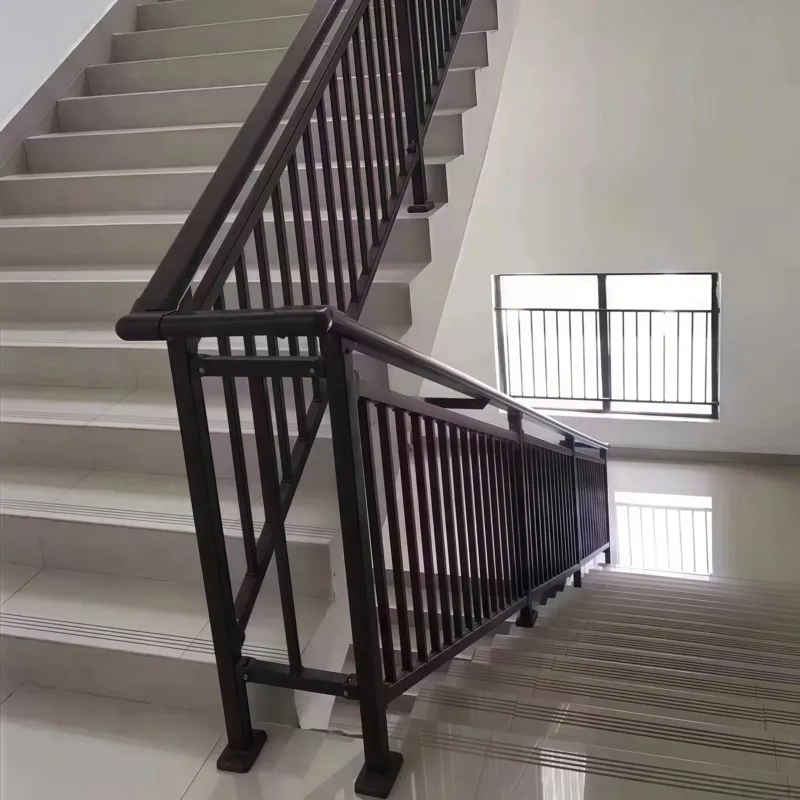
Placement of the handrail is equally important. It should be installed on both sides of the stairs to provide support for people going in either direction. Additionally, the handrail should be continuous along the entire length of the stairs, without any gaps or breaks. This ensures that people can maintain a steady grip and feel safe while using the stairs.
Material and Surface
The material of the handrail can also affect its ergonomic design. Different materials have different textures and temperatures, which can impact how comfortable the handrail feels to hold. For example, wood is a popular choice because it has a warm and natural feel. It's also easy to grip and provides a good amount of friction. Metal handrails, on the other hand, can be cold to the touch, especially in the winter. However, they are often more durable and require less maintenance.
The surface of the handrail is also important. It should be smooth and free of any sharp edges or rough spots. A rough surface can cause irritation or blisters on the hands, especially if you're using the handrail frequently. Additionally, the surface should be easy to clean to maintain a hygienic environment.
Benefits of Ergonomic Handrails
Now that we've covered the basics of ergonomic design, let's talk about why it's so important. Ergonomic handrails offer several benefits, both for the users and the building owners.
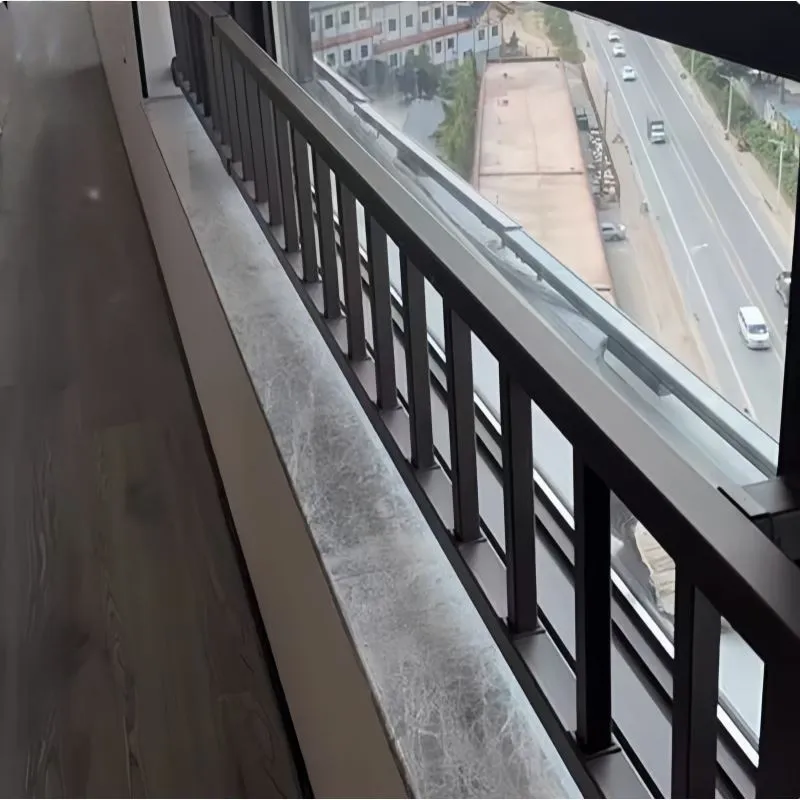
For users, ergonomic handrails provide a comfortable and safe way to navigate the stairs. They reduce the risk of falls and injuries by providing a stable support system. This is especially important for elderly or disabled individuals who may have difficulty balancing on the stairs.
For building owners, ergonomic handrails can improve the overall safety and accessibility of the building. They can also enhance the aesthetic appeal of the stairs, making the building more attractive to potential tenants or customers. Additionally, by providing a comfortable and safe environment, building owners can reduce the risk of liability claims related to falls or injuries on the stairs.
Our Products
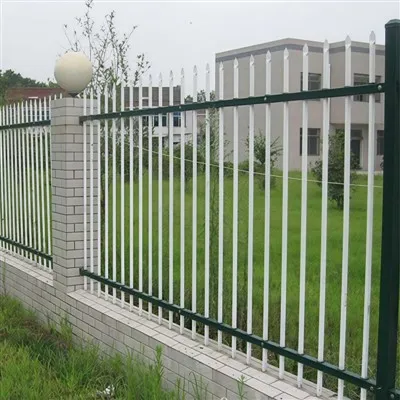
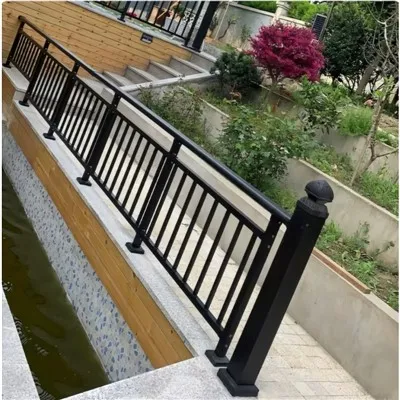
As a supplier of stair wall-mounted handrails, we offer a wide range of products that are designed with ergonomic principles in mind. Our handrails come in various diameters, shapes, materials, and finishes to meet the needs and preferences of our customers.
We have Commercial Railing Systems that are perfect for commercial buildings such as offices, hotels, and restaurants. These handrails are made from high-quality materials and are designed to withstand heavy use.
Our Indoor Banister Railing is ideal for residential homes. It adds a touch of elegance to the stairs while providing a safe and comfortable grip.
We also offer Attractive Window Bars that not only enhance the security of the building but also add a decorative element to the windows.
Contact Us for Purchasing
If you're interested in purchasing our stair wall-mounted handrails, we'd love to hear from you. Whether you're a contractor, an architect, or a homeowner, we can help you find the perfect handrail for your project. Our team of experts is available to answer any questions you may have and provide you with a free quote.
So, don't hesitate to reach out to us. Let's work together to create a safe and comfortable environment with our ergonomic stair wall-mounted handrails.
References
- International Ergonomics Association. (n.d.). Ergonomics Basics. Retrieved from https://www.iea.cc/ergonomics-basics/
- Occupational Safety and Health Administration. (n.d.). Stairways and Ladders. Retrieved from https://www.osha.gov/stairways-ladders