Raw Material Selection for Zinc Steel
The production of zinc steel begins with the selection of high-quality raw materials. Zinc steel is mainly composed of steel and zinc alloys. Steel serves as the base material, while the zinc alloy is used for the surface coating. The choice of steel directly affects the strength and durability of the finished product. Low-carbon steel is typically chosen due to its good plasticity and weldability. The choice of zinc alloy relates to corrosion resistance. Common zinc alloys include zinc-aluminum alloys and zinc-magnesium alloys, which effectively enhance the material's corrosion resistance.
Surface Treatment Process of Zinc Steel
Surface treatment is a crucial step in the production of zinc steel, mainly including the following steps:
Degreasing and Cleaning: Removes oil and impurities from the steel surface to ensure the smooth progress of subsequent processes.
Pickling and Rust Removal: Removes the oxide layer and rust from the steel surface through pickling, preparing it for galvanizing.
Hot-Dip Galvanizing: Immerses the steel in molten zinc to form a uniform zinc layer, improving corrosion resistance.
Passivation Treatment: Forms a passivation film on the zinc layer surface, further enhancing corrosion resistance.
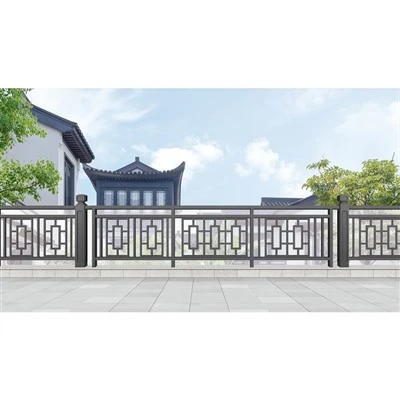
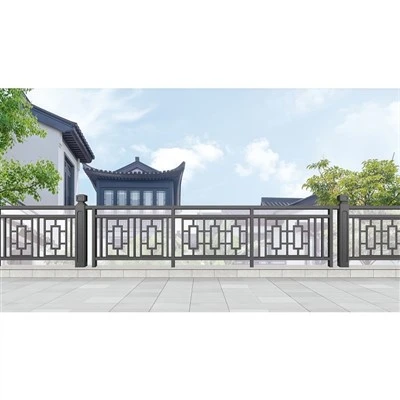
Finished Product Inspection and Application of Zinc Steel Finished product inspection is the final checkpoint to ensure the quality of zinc steel. Through visual inspection, thickness measurement, and adhesion testing, it is ensured that every product meets the requirements. Due to its excellent corrosion resistance and strength, zinc steel is widely used in railings, doors and windows, building structures, and other fields, becoming an indispensable material in modern construction.