

In the world of automotive accessories, rooftop rails are a popular addition that can enhance both the functionality and aesthetics of a vehicle. However, a common question among sedan owners is, "Can I install rooftop rails on a sedan?" As a rooftop rail supplier, I'm here to provide you with a comprehensive answer to this question.
Understanding the Basics of Rooftop Rails
Rooftop rails are horizontal bars that are installed on the roof of a vehicle. They serve as a base for attaching various accessories such as roof racks, bike carriers, ski racks, and cargo boxes. By adding rooftop rails, sedan owners can significantly increase their vehicle's storage capacity and versatility, making it easier to transport large or bulky items.
Compatibility with Sedans
The short answer is yes; in most cases, you can install rooftop rails on a sedan. However, several factors need to be considered to ensure a successful installation.
Vehicle Design
The design of your sedan plays a crucial role in determining whether rooftop rails can be installed. Some sedans come with pre - drilled holes or mounting points on the roof, which are specifically designed for rooftop rail installation. These vehicles are the easiest to retrofit with rooftop rails, as they require minimal modification.
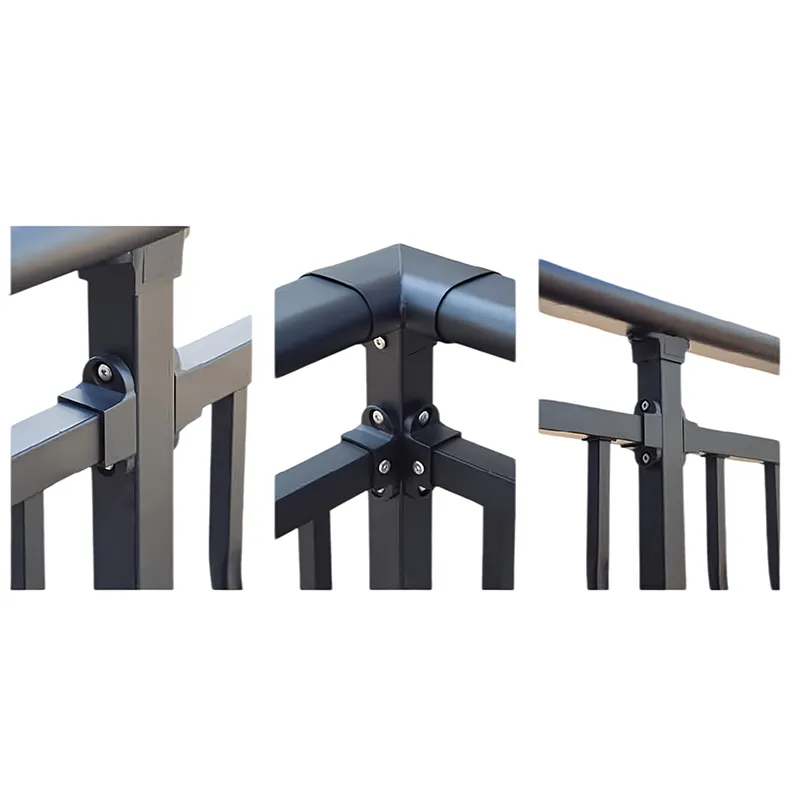
On the other hand, some sedans may not have any pre - existing mounting points. In such cases, you have two options. You can use clamp - on or adhesive - based rooftop rails that don't require drilling. These types of rails attach to the existing bodywork of the vehicle, such as the roof edges or rain gutters. Another option is to have a professional drill and install custom - made mounting brackets on the roof. However, this should be done with caution, as improper drilling can damage the vehicle's roof and void its warranty.
Weight Capacity
It's essential to understand the weight - carrying capacity of your sedan's roof before installing rooftop rails. The vehicle manufacturer usually specifies the maximum weight that the roof can support. Exceeding this limit can cause structural damage to the vehicle and pose a safety risk.
When choosing rooftop rails, make sure they are rated for the appropriate weight and are suitable for your sedan's model. The weight capacity of the rooftop rails should also take into account the weight of the accessories you plan to attach, as well as the items you'll be carrying.
Types of Rooftop Rails for Sedans
There are several types of rooftop rails available for sedans, each with its own advantages and disadvantages.
Factory - Installed Rooftop Rails
These are the rooftop rails that come pre - installed on a vehicle by the manufacturer. They are designed to match the vehicle's aesthetics and are usually of high - quality. Factory - installed rails are also more likely to be covered by the vehicle's warranty. However, if your sedan didn't come with factory - installed rails, adding them later can be expensive as it may involve complex installation procedures.
Aftermarket Rooftop Rails
Aftermarket rooftop rails are a popular choice for sedan owners. They are available in a wide range of styles, materials, and prices. Some aftermarket rails are designed to be easy to install, even for those with limited mechanical skills. However, the quality of aftermarket products can vary significantly. It's important to choose a reputable brand and read customer reviews before making a purchase.
Installation Process
The installation process for rooftop rails on a sedan can vary depending on the type of rails and the vehicle. Here is a general overview:
- Prepare the Vehicle: Clean the roof of your sedan thoroughly to remove any dirt, dust, or debris. This will ensure a proper fit and adhesion of the rails.
- Assemble the Rails: If the rooftop rails come in multiple parts, follow the manufacturer's instructions to assemble them correctly.
- Position the Rails: Place the rails on the roof in the desired position. Make sure they are centered and aligned properly.
- Attach the Rails: If you are using clamp - on rails, secure them to the roof edges or rain gutters according to the instructions. For adhesive - based rails, apply the adhesive evenly and press the rails firmly onto the roof. If you are drilling and installing custom mounting brackets, mark the drilling points accurately and use the appropriate tools to drill the holes. Then, attach the brackets and rails securely.
- Test the Installation: After installing the rails, give them a gentle tug to ensure they are firmly attached. Check for any signs of looseness or instability.
Benefits of Installing Rooftop Rails on a Sedan
- Increased Storage Capacity: As mentioned earlier, rooftop rails allow you to attach various storage accessories, which can significantly increase the amount of cargo you can carry.
- Enhanced Aesthetics: Rooftop rails can give your sedan a more rugged and sporty look, enhancing its overall appearance.
- Versatility: You can use the rooftop rails to carry different types of items, such as bicycles, skis, or luggage, depending on your needs.
Related Railing Products
If you're interested in other types of railing products, we also offer a wide range of options. Check out our Decorative Balcony Railing, Indoor Banister Railing, and Assembled Grille Railing. These products are designed to provide both functionality and style for your home or commercial space.
Contact Us for Rooftop Rail Purchases
If you're considering installing rooftop rails on your sedan or have any questions about our products, we're here to help. Our team of experts can provide you with detailed information about the compatibility, installation, and maintenance of our rooftop rails. We offer a wide range of high - quality rooftop rails suitable for various sedan models. Contact us to discuss your specific needs and start the purchasing process. We look forward to serving you and helping you enhance your sedan's capabilities.
References
- Automotive Manufacturers' Owner Manuals
- Aftermarket Rooftop Rail Product Documentation
- Industry Research on Vehicle Rooftop Accessories