
As a welded railing provider with years of experience in the industry, I understand the significance of adding lighting to welded railings. It not only enhances the safety and functionality of the railing but also adds a touch of elegance and style to any space. In this blog post, I'll guide you through the process of adding lighting to a welded railing, including the types of lights you can use, the installation process, and the benefits of having illuminated railings.
Types of Lighting for Welded Railings
LED Strip Lights
LED strip lights are a popular choice for adding lighting to welded railings due to their flexibility, low energy consumption, and long lifespan. These lights come in a variety of colors and brightness levels, allowing you to create different lighting effects. You can choose warm white for a cozy atmosphere or cool white for a more modern look. LED strip lights are easy to install as they often come with adhesive backing, which can be attached directly to the railing. They are also waterproof, making them suitable for outdoor applications. For example, you can install LED strip lights along the bottom or top of an Outdoor Balcony Glass Railing to highlight the structure and add a sense of security at night.
Step Lights
Step lights are ideal for stair railings, especially those in indoor settings like Modern Stair Railing Indoor. These lights are typically installed at regular intervals along the railing, providing illumination for each step. Step lights can be recessed into the railing or surface-mounted, depending on the design and style you prefer. They are available in different shapes and sizes, and some models even come with motion sensors, which can save energy by only turning on when someone is nearby.
Post Cap Lights
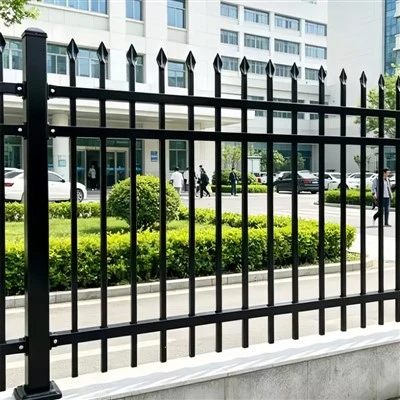
Post cap lights are installed on top of the railing posts, adding a decorative element while providing light. They come in various designs, from traditional to contemporary, and can be made of different materials such as metal, plastic, or glass. Post cap lights are easy to install and can instantly transform the look of your railing. They are suitable for both indoor and outdoor railings, including Grille Railing. You can choose from different light sources, such as incandescent, halogen, or LED, depending on your energy efficiency and lighting requirements.
Installation Process
Planning
Before you start the installation process, it's important to plan the lighting layout. Determine the type of lights you want to use, the number of lights required, and their placement on the railing. Consider the overall style and design of the space where the railing is located, as well as the intended purpose of the lighting. For example, if the railing is on a staircase, you'll need to ensure that the lights provide sufficient illumination for each step. If it's an outdoor balcony railing, you may want to create a more ambient lighting effect.
Preparing the Railing
Once you have a plan, you need to prepare the railing for the installation. If you're using LED strip lights, make sure the surface of the railing is clean and dry before applying the adhesive. For step lights or post cap lights, drill holes in the appropriate locations on the railing or posts, following the manufacturer's instructions. You may need to use a drill bit of the correct size to ensure a proper fit for the lights.
Wiring
Wiring is an important part of the installation process. If you're using low-voltage lights, you'll need a transformer to convert the high-voltage electricity from the main power supply to a safe, low-voltage level. Connect the lights to the transformer using the appropriate wiring. Make sure all connections are secure and insulated to prevent electrical hazards. For outdoor installations, use waterproof wiring and connectors to protect against the elements.

Mounting the Lights
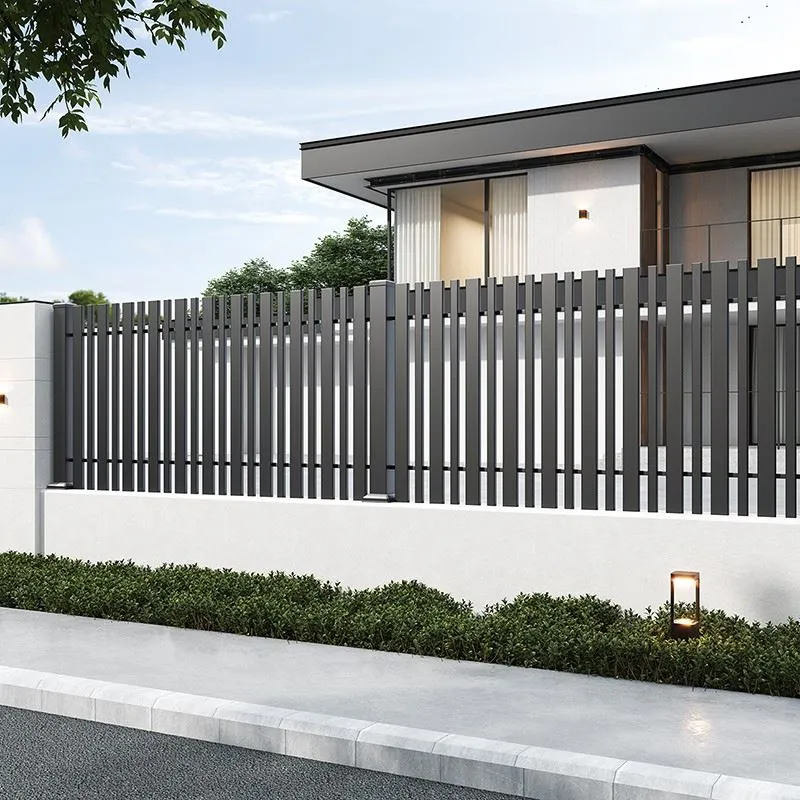
After the wiring is complete, it's time to mount the lights on the railing. If you're using LED strip lights, carefully peel off the backing and attach the lights to the prepared surface. For step lights and post cap lights, insert them into the drilled holes and secure them using the provided hardware. Make sure the lights are level and properly aligned.
Testing
Once the lights are mounted, test them to ensure they are working properly. Turn on the power and check if all the lights are illuminated. If any lights are not working, check the connections and wiring. Make any necessary adjustments until all the lights are functioning correctly.
Benefits of Adding Lighting to Welded Railings
Safety
One of the primary benefits of adding lighting to welded railings is improved safety. Illuminated railings make it easier for people to see the railing and the surrounding area, especially in low-light conditions. This reduces the risk of accidents, such as tripping or falling. For example, on a staircase, well-lit railings can help people navigate the steps safely at night.
Aesthetics
Lighting can significantly enhance the aesthetic appeal of welded railings. It can create a dramatic effect, highlighting the design and structure of the railing. Whether you're going for a modern, minimalist look or a more traditional style, the right lighting can make a big difference. For instance, LED strip lights can add a sleek and contemporary touch to an outdoor balcony railing, while post cap lights can give a classic and elegant look to a grille railing.
Extended Use
With illuminated railings, you can extend the use of your outdoor or indoor space into the evening hours. You can enjoy your balcony or staircase at night, creating a more inviting and comfortable atmosphere. This is especially beneficial for those who like to entertain guests or simply relax after a long day.
Considerations for Adding Lighting
Energy Efficiency
When choosing lighting for your welded railings, consider energy efficiency. LED lights are the most energy-efficient option, as they consume less power and have a longer lifespan compared to traditional incandescent or halogen lights. This can save you money on your energy bills in the long run.
Maintenance
Think about the maintenance requirements of the lighting. LED lights generally require less maintenance, as they are less likely to burn out. However, you'll still need to check the connections and wiring periodically to ensure they are in good condition. For outdoor installations, make sure the lights are protected from the elements to prevent damage.
Cost
The cost of adding lighting to welded railings can vary depending on the type of lights you choose, the number of lights, and the complexity of the installation. LED strip lights are usually more affordable than step lights or post cap lights. Additionally, if you hire a professional electrician to install the lights, it will add to the overall cost. However, the benefits of illuminated railings, including improved safety and aesthetics, often outweigh the initial investment.
Contacting Us for Your Lighting Needs
If you're interested in adding lighting to your welded railings, we're here to help. As a trusted welded railing supplier, we offer a wide range of lighting solutions to suit your specific requirements. Our team of experts can assist you in choosing the right lights, designing the lighting layout, and providing professional installation services. Whether you need lighting for an Outdoor Balcony Glass Railing, Grille Railing, or Modern Stair Railing Indoor, we have the knowledge and experience to deliver a high-quality lighting solution.
Contact us today to discuss your project and get a free quote. Let us help you transform your welded railings with beautiful and functional lighting.
References
- Association of Lighting Designers. (Year). Lighting Design Handbook.
- Electrical Safety Foundation International. (Year). Guide to Electrical Safety in Residential Buildings.
- LED Lighting Association. (Year). Best Practices for LED Lighting Installation.