

Ensuring that modern indoor stair railings meet building codes is a critical aspect of any construction or renovation project. As a supplier of Modern Stair Railing Indoor, I understand the importance of compliance and the role it plays in ensuring the safety and functionality of stairways. In this blog post, I will share some key steps and considerations to help you ensure that your modern indoor stair railing meets all relevant building codes.
Understanding Building Codes
The first step in ensuring compliance is to have a thorough understanding of the building codes that apply to your project. Building codes vary by location and can cover a wide range of requirements, including height, strength, spacing, and materials. It is essential to consult the local building department or a professional architect or engineer to determine the specific codes that apply to your area.
In general, building codes for indoor stair railings typically include the following requirements:
- Height: The height of the railing must be between 34 and 38 inches (86.4 to 96.5 cm) measured from the nosing of the stair treads.
- Strength: The railing must be able to withstand a certain amount of force, typically 200 pounds (90.7 kg) applied in any direction at any point along the top rail.
- Spacing: The spacing between balusters or other vertical elements must not exceed 4 inches (10.2 cm) to prevent small children from getting stuck.
- Materials: The materials used for the railing must be durable and able to withstand normal wear and tear. Common materials include wood, metal, and glass.
Choosing the Right Railing System
Once you have a clear understanding of the building codes, the next step is to choose the right railing system for your project. There are several types of modern indoor stair railings available, each with its own unique features and benefits.
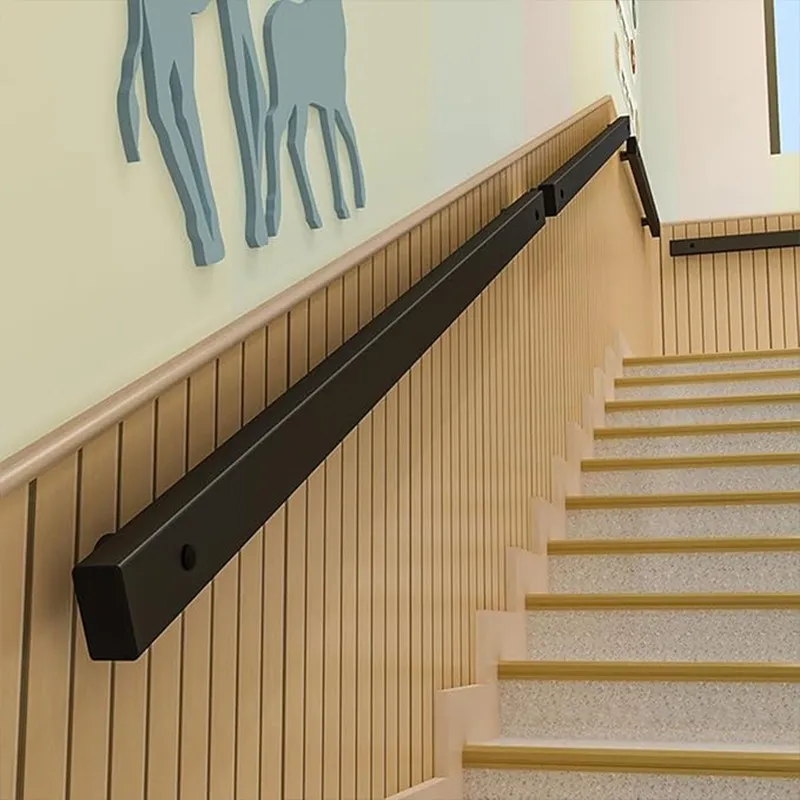
- Modern Stair Handrail Wall Mounted: This type of railing is mounted directly to the wall and is a popular choice for modern and minimalist designs. It provides a clean and sleek look while still meeting all building code requirements.
- Grille Railing: Grille railings are made up of a series of horizontal and vertical bars that create a grid-like pattern. They are a great option for adding a decorative element to your stairway while still providing the necessary safety features.
- Rod Railing System: Rod railings consist of a series of vertical rods that are connected by a top and bottom rail. They are a popular choice for contemporary designs and can be customized to fit your specific needs.
When choosing a railing system, it is important to consider the style and design of your space, as well as the functionality and safety requirements. You should also ensure that the railing system you choose is made from high-quality materials and is installed by a professional.
Working with a Professional Installer
Installing a modern indoor stair railing is a complex process that requires specialized knowledge and skills. It is important to work with a professional installer who has experience in installing stair railings and is familiar with the local building codes.
A professional installer will be able to help you choose the right railing system for your project, ensure that it is installed correctly, and obtain the necessary permits and inspections. They will also be able to provide you with a warranty for their work, giving you peace of mind knowing that your railing is installed correctly and will last for years to come.
Conducting Regular Inspections
Once your modern indoor stair railing is installed, it is important to conduct regular inspections to ensure that it remains in good condition and meets all building code requirements. Inspections should be conducted at least once a year, or more frequently if the railing is subject to heavy use or damage.
During an inspection, you should check for any signs of wear and tear, such as loose or damaged balusters, cracked or broken rails, or rust or corrosion. You should also ensure that the railing is securely attached to the wall or stairway and that it meets all height and spacing requirements.
If you notice any issues during an inspection, it is important to address them immediately to prevent further damage or safety hazards. You may need to hire a professional to make any necessary repairs or replacements.
Conclusion
Ensuring that your modern indoor stair railing meets building codes is essential for the safety and functionality of your stairway. By understanding the building codes, choosing the right railing system, working with a professional installer, and conducting regular inspections, you can ensure that your railing is installed correctly and meets all relevant requirements.
If you are in the market for a modern indoor stair railing, I encourage you to contact us to learn more about our products and services. Our team of experts can help you choose the right railing system for your project and ensure that it is installed correctly and in compliance with all building codes.

References
- International Building Code (IBC)
- National Fire Protection Association (NFPA)
- American Society of Civil Engineers (ASCE)