


Hey there! I'm a supplier of Stair Wall Mounted Handrails, and today I want to have an open and honest chat about the disadvantages of plastic stair wall-mounted handrails. It's important to know both the good and the bad, right? So, let's dive in!
1. Durability Issues
One of the biggest drawbacks of plastic handrails is their lack of durability. Plastic is a relatively soft material compared to metals like stainless steel or iron. Over time, it can easily get scratched, dented, or cracked. For instance, in a high-traffic area like a commercial building, people might accidentally bump into the handrail or drag things along it. With a plastic handrail, these small impacts can lead to visible damage.
Unlike Stair Wall Mounted Handrail made from more robust materials, plastic ones won't hold up well against the test of time. They might start to look shabby after just a few years, which isn't great for the overall aesthetic of a building. In a home setting, if you have kids or pets, they can also cause damage to the plastic handrail more easily than a tougher alternative.
2. Heat Resistance
Plastic handrails don't handle heat very well. In hot weather or if they're exposed to direct sunlight for long periods, the plastic can start to warp or melt. This is a major safety concern, especially for staircases. If the handrail becomes deformed, it might not provide the proper support that people need when using the stairs.
Imagine walking up a staircase on a scorching summer day, and the handrail is all wobbly and soft because of the heat. It's not only uncomfortable but also extremely dangerous. In contrast, Commercial Railing Systems made from materials like metal are much more heat-resistant and can maintain their shape and strength even in high temperatures.
3. Chemical Degradation
Plastic can be affected by various chemicals. Cleaning agents, for example, can cause the plastic to break down over time. Some harsh cleaners might react with the plastic, making it brittle or discolored. This means you have to be very careful about what you use to clean plastic handrails.
If you're not using the right cleaning products, you could end up damaging the handrail. And let's face it; it's not always easy to know which cleaners are safe for plastic. On the other hand, other types of handrails, like those made from glass or metal, are generally more resistant to chemical damage. You can use a wider range of cleaning products on them without worrying about causing harm. For example, Glass Balustrade On Balcony can be cleaned with common glass cleaners without any issues.
4. Security Concerns
When it comes to security, plastic handrails are not the best option. They can be easily broken or cut through. This is a big problem, especially in areas where security is a priority, like commercial buildings or high-rise apartments. If someone wants to gain unauthorized access or cause damage, a plastic handrail won't provide much of a barrier.
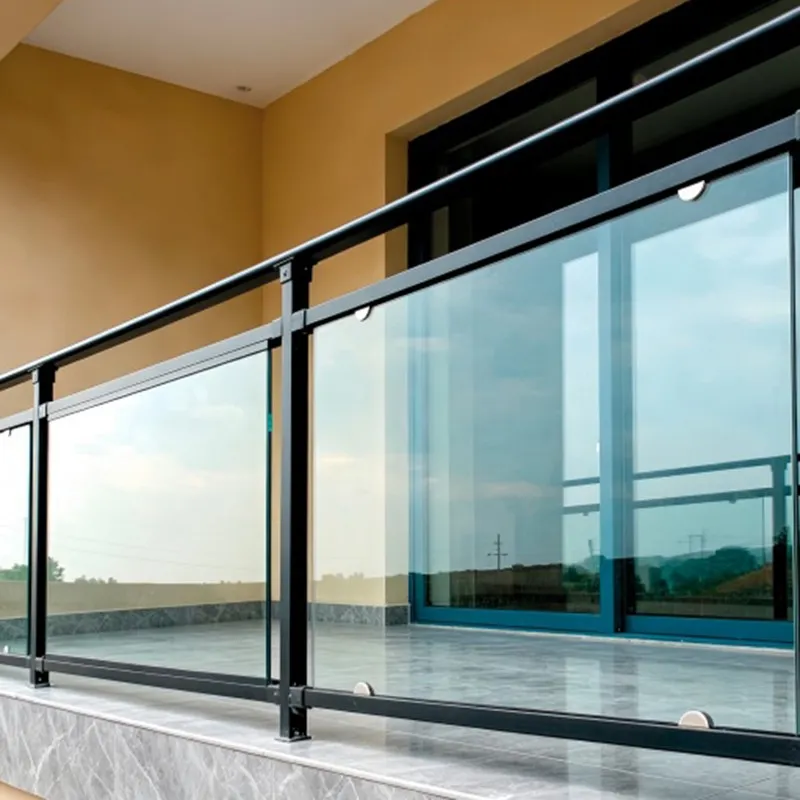
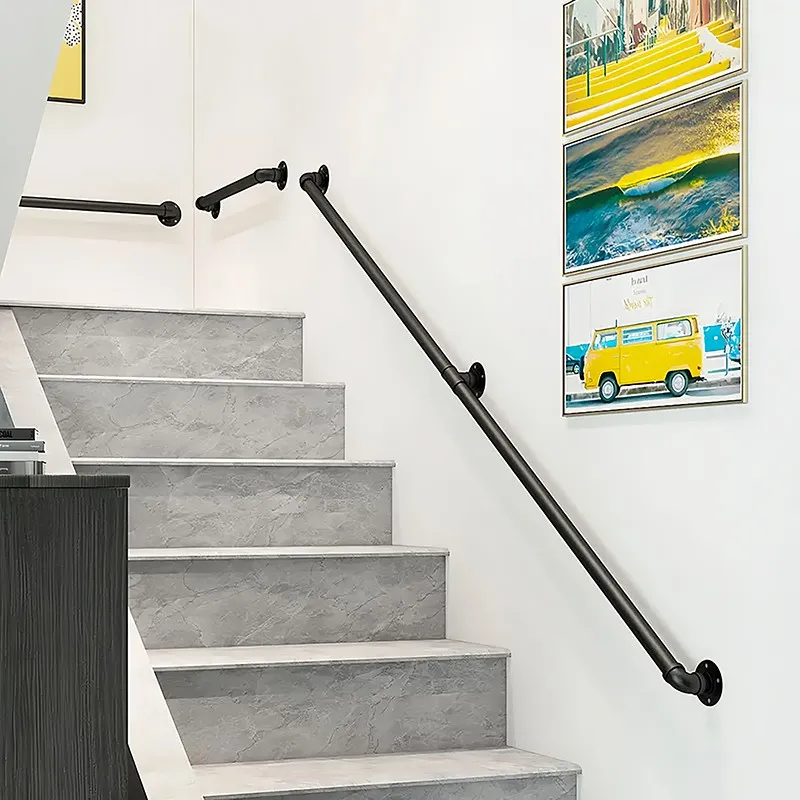
In comparison, handrails made from stronger materials like metal or glass offer better security. They can withstand more force and are more difficult to break. Connecting Corridor Railings made from sturdy materials can help prevent unwanted entry and ensure the safety of the building's occupants.
5. Aesthetic Limitations
Plastic handrails often have a limited aesthetic appeal. They usually come in a few standard colors and designs, which might not fit the style of every building. If you're going for a modern, luxurious look, a plastic handrail might not be the best choice. It can make the staircase look cheap and out of place.
On the other hand, there are many other options available that can enhance the overall look of a staircase. For example, Assembled Grille Railing can add a touch of elegance and sophistication to any staircase. They come in a variety of styles and finishes, allowing you to choose the one that best suits your building's design.
6. Environmental Impact
Plastic is not an environmentally friendly material. It's made from petroleum, a non-renewable resource, and it takes a long time to decompose. When plastic handrails reach the end of their life, they often end up in landfills, where they can cause pollution.
In today's world, more and more people are looking for sustainable options. If you're concerned about the environment, a plastic handrail might not be the right choice. There are other materials available that are more eco-friendly, such as bamboo or recycled metal.
Conclusion
So, as you can see, there are several disadvantages to using plastic stair wall-mounted handrails. While they might be cheap and easy to install, they have a lot of drawbacks in terms of durability, heat resistance, chemical degradation, security, aesthetics, and environmental impact.
If you're in the market for a stair wall-mounted handrail, I encourage you to consider other options. At our company, we offer a wide range of high-quality handrails made from different materials, including metal, glass, and wood. We can help you find the perfect handrail that meets your needs and fits your budget.
If you're interested in learning more about our products or have any questions, feel free to contact us. We'd be happy to have a chat and discuss your requirements. We look forward to working with you to create a safe and beautiful staircase.
References
- "Handrail Materials and Their Properties" - Construction Materials Journal
- "The Impact of Plastic on the Environment" - Environmental Science Review


