
When it comes to modern indoor stair railings, accurate measurement is the cornerstone of a successful installation. As a supplier of Modern Stair Railing Indoor, I've seen firsthand how precise measurements can transform a staircase into a functional and aesthetically pleasing centerpiece. In this blog, I'll share my insights on how to measure for a modern indoor stair railing, ensuring that your project is both safe and stylish.
Understanding the Basics of Stair Railing Measurement
Before you start measuring, it's essential to understand the basic components of a stair railing. A typical stair railing consists of a handrail, balusters, and newel posts. The handrail is the horizontal bar that you hold onto while ascending or descending the stairs. Balusters are the vertical supports that connect the handrail to the staircase. Newel posts are the larger, vertical posts that anchor the handrail at the top and bottom of the stairs.
Measuring the Handrail
The handrail is the most visible part of the stair railing, and its measurement is crucial for both safety and comfort. To measure the handrail, you'll need to determine the length, height, and diameter.
Length
The length of the handrail is determined by the number of steps and the width of the staircase. To measure the length, start at the top of the stairs and measure along the edge of the staircase to the bottom. Make sure to account for any landings or turns in the staircase. It's also important to leave some extra length for the newel posts at the top and bottom of the stairs.
Height
The height of the handrail is regulated by building codes to ensure safety. In most cases, the handrail should be between 34 and 38 inches above the nosing of the stairs. To measure the height, use a tape measure to measure from the nosing of the stairs to the top of the handrail. Make sure to measure at several points along the staircase to ensure that the handrail is level.
Diameter
The diameter of the handrail is also important for comfort and safety. A handrail that is too small may be difficult to grip, while a handrail that is too large may be uncomfortable to hold. The ideal diameter for a handrail is between 1.25 and 2 inches. To measure the diameter, use a caliper or a tape measure to measure the distance across the handrail.
Measuring the Balusters
Balusters are the vertical supports that connect the handrail to the staircase. The spacing between the balusters is regulated by building codes to prevent small children from getting stuck between them. In most cases, the spacing between the balusters should be no more than 4 inches.
To measure the balusters, you'll need to determine the number of balusters and the spacing between them. To determine the number of balusters, divide the length of the handrail by the spacing between the balusters. For example, if the length of the handrail is 10 feet and the spacing between the balusters is 4 inches, you'll need 30 balusters.
To measure the spacing between the balusters, use a tape measure to measure the distance between the centers of two adjacent balusters. Make sure to measure at several points along the handrail to ensure that the spacing is consistent.
Measuring the Newel Posts
Newel posts are the larger, vertical posts that anchor the handrail at the top and bottom of the stairs. The size and shape of the newel posts will depend on the style of the stair railing and the design of the staircase.
To measure the newel posts, you'll need to determine the height, width, and depth. The height of the newel posts should be at least 36 inches above the nosing of the stairs. The width and depth of the newel posts will depend on the style of the stair railing and the design of the staircase.
Using the Right Tools
To ensure accurate measurements, it's important to use the right tools. A tape measure is the most basic tool for measuring a stair railing, but you may also need a level, a caliper, and a square.
A level is used to ensure that the handrail and the balusters are level. A caliper is used to measure the diameter of the handrail and the balusters. A square is used to ensure that the newel posts are square and plumb.
Considerations for Different Types of Stair Railings
There are several different types of stair railings, each with its own unique measurement requirements. Here are some considerations for different types of stair railings:
Modern Stair Handrail Wall Mounted
A wall-mounted stair handrail is a popular choice for modern staircases. To measure for a wall-mounted stair handrail, you'll need to determine the length, height, and distance from the wall. The length of the handrail should be measured along the wall, and the height should be measured from the nosing of the stairs to the top of the handrail. The distance from the wall should be measured from the wall to the center of the handrail.
Louvered Railing
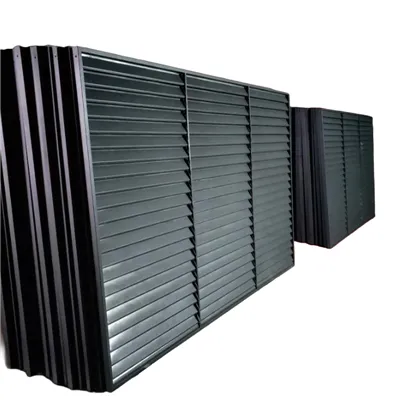
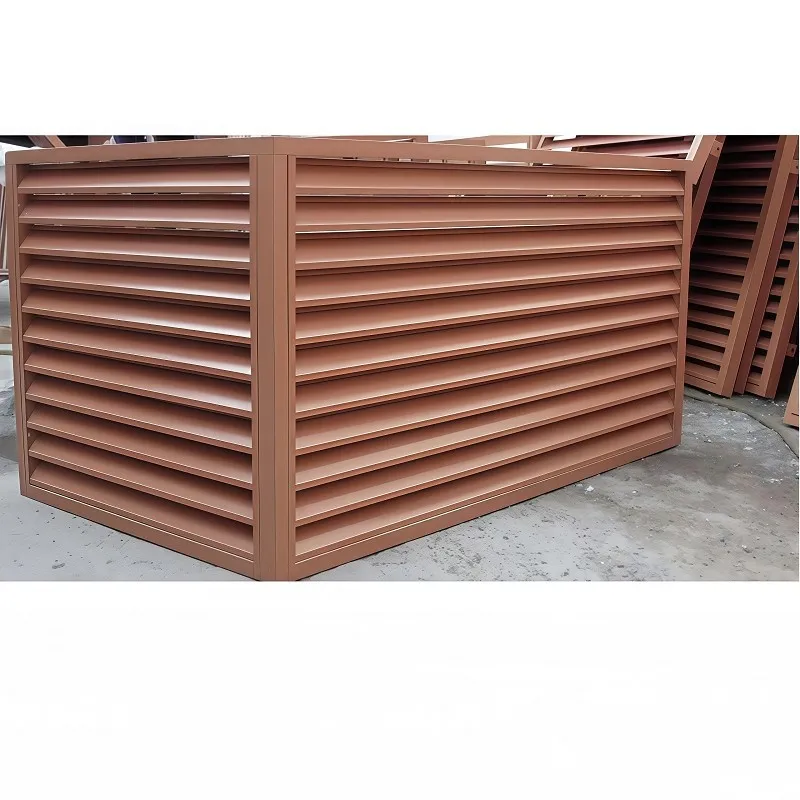
A louvered railing is a stylish and functional option for modern staircases. To measure for a louvered railing, you'll need to determine the length, height, and spacing between the louvers. The length of the railing should be measured along the edge of the staircase, and the height should be measured from the nosing of the stairs to the top of the railing. The spacing between the louvers should be measured from the center of one louver to the center of the next louver.
Outdoor Balcony Glass Railing
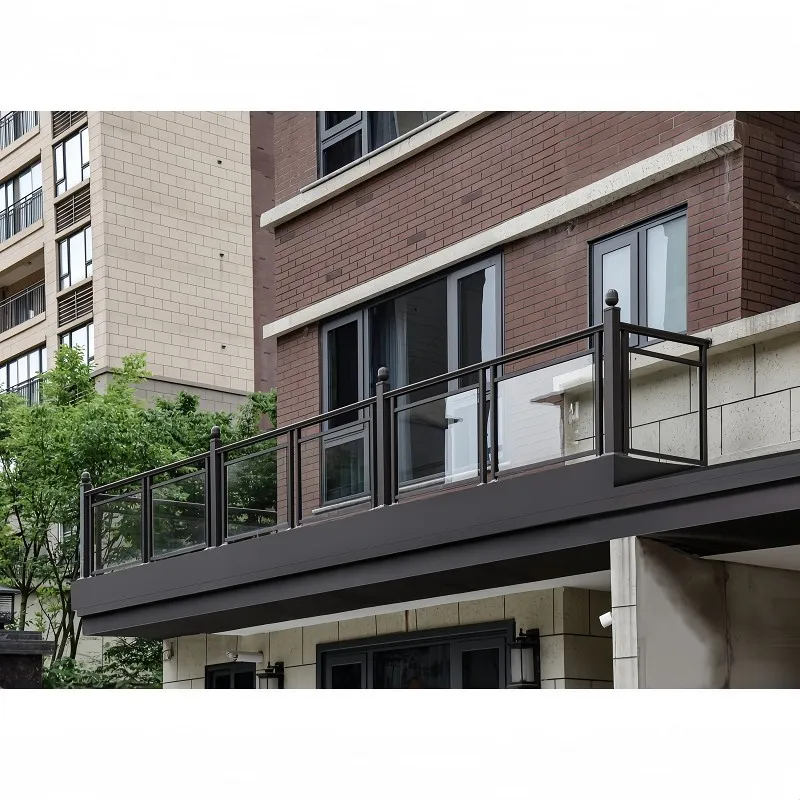
An outdoor balcony glass railing is a popular choice for modern homes. To measure for an outdoor balcony glass railing, you'll need to determine the length, height, and thickness of the glass. The length of the railing should be measured along the edge of the balcony, and the height should be measured from the balcony floor to the top of the railing. The thickness of the glass will depend on the design of the railing and the local building codes.
Conclusion
Measuring for a modern indoor stair railing is a critical step in the installation process. By following the guidelines outlined in this blog, you can ensure that your stair railing is both safe and stylish. Remember to use the right tools, consider the different types of stair railings, and consult with a professional if you have any questions or concerns.
If you're interested in purchasing a modern indoor stair railing, please contact us to discuss your options. Our team of experts can help you choose the right railing for your staircase and ensure that it is installed correctly. We look forward to working with you!
References
- Building Codes: Consult your local building codes for specific requirements regarding stair railing measurements.
- Manufacturer's Instructions: Refer to the manufacturer's instructions for your specific stair railing for detailed measurement guidelines.
- Professional Installation: Consider hiring a professional installer to ensure that your stair railing is installed correctly and safely.