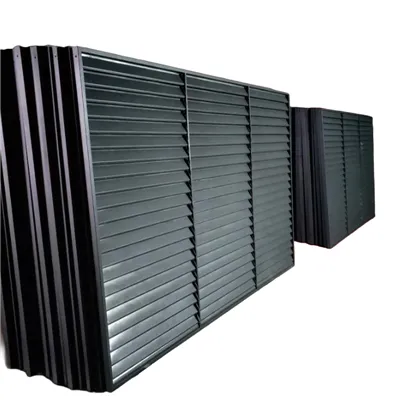

Hey there! As a supplier of high-quality corridor railings, I've seen firsthand the importance of durability in these products. In this blog post, I'm going to share with you the key durability factors of high-quality corridor railings.
Material Quality
The first and most obvious factor in the durability of corridor railings is the material they're made from. High-quality materials are essential for ensuring that your railings can withstand the test of time.

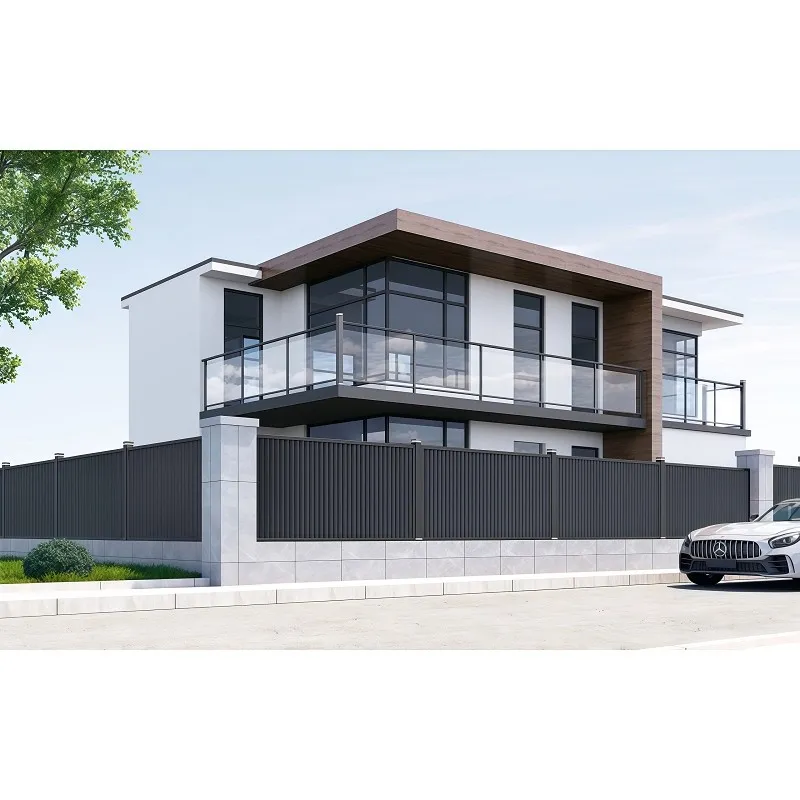
Metals
- Stainless Steel: This is a popular choice for corridor railings because it's highly resistant to corrosion and rust. Stainless steel railings can last for decades, even in harsh environments. It has excellent strength - to - weight ratio, which means it can support heavy loads without being overly bulky.
- Aluminum: Aluminum is another great option. It's lightweight, making it easy to install, and it's also resistant to corrosion. Aluminum railings are often powder - coated, which adds an extra layer of protection against the elements. You can check out our Aluminium Balcony Balustrades for more details on high - quality aluminum options.
Glass
- Tempered Glass: For a modern and elegant look, tempered glass is a top choice. It's much stronger than regular glass and is designed to break into small, rounded pieces rather than sharp shards, which is a safety advantage. Tempered glass can withstand significant impact and is resistant to scratches and stains. Our Frameless Balcony Glass Railing features high - quality tempered glass for both durability and style.
Design and Construction
The design and construction of corridor railings also play a crucial role in their durability.
Structural Integrity
- Proper Bracing: Railings need to be properly braced to ensure they can handle the forces applied to them. This includes both vertical and horizontal forces. For example, in a high - traffic corridor, people may lean on the railing or grab it suddenly, so the railing must be able to withstand these actions without bending or breaking.
- Weld Quality: If the railing is made of metal, the quality of the welds is extremely important. Poorly welded joints can weaken the entire structure over time. High - quality welds ensure that the railing remains strong and stable.
Aesthetic Design
- Smooth Surfaces: Railings with smooth surfaces are not only more aesthetically pleasing but also more durable. Rough surfaces can collect dirt and debris, which can lead to corrosion over time. Smooth surfaces are easier to clean and maintain, which helps to extend the life of the railing.
Installation
Even the highest - quality railings can fail if they're not installed correctly.
Professional Installation
- Expertise: Hiring a professional installer is crucial. They have the knowledge and experience to ensure that the railing is installed securely and according to the manufacturer's specifications. A professional installer will also be able to identify any potential issues with the installation site and make the necessary adjustments.
- Level and Plumb: Railings need to be installed level and plumb to ensure their stability. If a railing is not installed correctly, it can put additional stress on the structure, leading to premature wear and tear.
Maintenance
Regular maintenance is essential for the durability of corridor railings.
Cleaning
- Regular Cleaning: Depending on the material, railings should be cleaned regularly. For example, metal railings can be cleaned with a mild detergent and water to remove dirt and grime. Glass railings can be cleaned with a glass cleaner to keep them looking clear and shiny.
- Inspection: Regular inspections are also important. Check for any signs of damage, such as cracks, rust, or loose fittings. Catching these issues early can prevent more serious problems down the road.
Environmental Factors
The environment in which the corridor railings are installed can have a significant impact on their durability.
Climate
- Humidity: High humidity can cause metal railings to rust and corrode more quickly. In areas with high humidity, it's important to choose materials that are resistant to corrosion, such as stainless steel or powder - coated aluminum.
- Temperature Changes: Extreme temperature changes can cause materials to expand and contract, which can lead to stress on the railing. For example, in areas with cold winters, the railing may need to be able to withstand freezing temperatures without cracking.
Exposure to Elements
- Sunlight: Prolonged exposure to sunlight can cause some materials to fade or become brittle. For example, certain plastics or paints may degrade over time when exposed to UV rays. Choosing materials that are UV - resistant can help to prevent this.
- Rain and Snow: Rain and snow can also cause damage to railings. Water can seep into cracks and crevices, leading to corrosion or mold growth. Ensuring that the railing has proper drainage and is made of water - resistant materials can help to mitigate these issues.
Customization and Adaptability
High - quality corridor railings often offer customization options, which can contribute to their durability.
Custom Sizing
- Fitting the Space: Railings that are custom - sized to fit the specific dimensions of the corridor are more likely to be durable. A proper fit reduces stress on the railing and ensures that it is securely installed.
- Meeting Requirements: Customization also allows the railing to meet specific safety and design requirements. For example, in a commercial building, the railing may need to meet certain height and strength standards.
Adaptability to Different Settings
- Indoor vs. Outdoor: Railings need to be suitable for the specific setting in which they're installed. Indoor railings may have different requirements than outdoor railings. For example, outdoor railings need to be more resistant to the elements, while indoor railings may focus more on aesthetics.
Testing and Certification
Reputable high - quality corridor railing suppliers subject their products to rigorous testing and obtain relevant certifications.
Industry Standards
- Compliance: Railings should comply with industry standards and regulations. For example, in many countries, there are specific safety standards for corridor railings in public buildings. Meeting these standards ensures that the railing is safe and durable.
- Testing Procedures: Products are often tested for strength, stability, and resistance to various environmental factors. This testing helps to ensure that the railing will perform as expected over its lifespan.
If you're in the market for high - quality corridor railings, I encourage you to reach out to us. We have a wide range of options, including Curved Metal Fence, Frameless Balcony Glass Railing, and Aluminium Balcony Balustrades. Our team of experts can help you choose the right railing for your specific needs and ensure a proper installation. Contact us today to start the procurement process and discuss how we can provide you with the best corridor railing solutions.
References
- "Building Codes and Standards for Railings", National Building Code Institute
- "Materials Science for Construction", McGraw - Hill Education