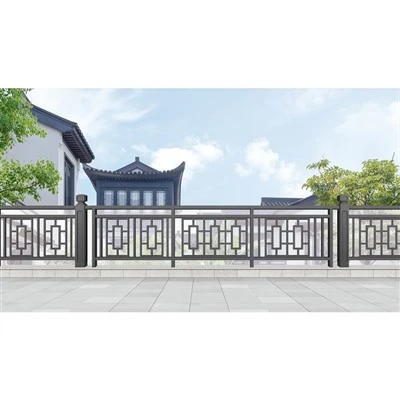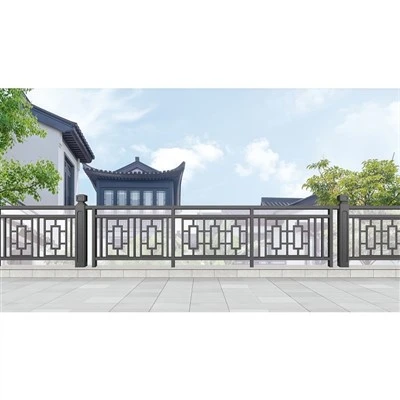
Handrails are raised structures, typically installed on stairs, balustrades, balconies, etc., serving both practical and decorative purposes. They are the upper edge (top surface) of railings or balustrades for people to hold onto while walking.
Wooden handrails have a strong natural texture, bringing warmth and comfort to stairs. Their rich and diverse textures and colors can coordinate with various interior design styles, offering greater possibilities for style customization. However, attention must be paid to corrosion and moisture prevention, making them suitable for indoor use. Metal handrails, such as stainless steel and wrought iron, typically have a modern and minimalist appearance, are sturdy and durable, and easy to maintain, but may feel cold to the touch in winter and summer. Glass handrails are transparent and bright, increasing natural light and bringing a light and modern feel to stairs. Tempered or reinforced glass should be used to ensure safety. Stone handrails, such as marble and granite, are sturdy and durable, adding a noble and elegant atmosphere to stairs.
Luxury-style staircase handrails often use a combination of materials such as metal (stainless steel, brass), solid wood, and glass, with simple and smooth lines and restrained color schemes.
The height of handrails must comply with national standards. For example, the height of indoor stair handrails, measured from the front edge of the tread, should not be less than 0.9 meters, and the clear distance between vertical bars of the handrail should not be greater than 0.11 meters.