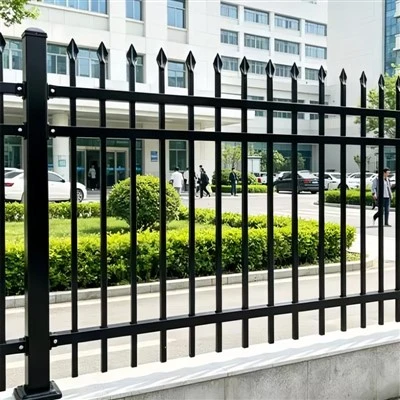

As a supplier of welded railings, I often get asked if our products can be used in cold climates. It's a valid question, considering the harsh conditions that cold environments can impose on materials. In this blog post, I'll share my insights on whether welded railings are suitable for cold climates, the factors to consider, and the best practices to ensure their longevity.
Can Welded Railings Withstand Cold Climates?
The short answer is yes, welded railings can be used in cold climates. However, it's important to understand the challenges that cold weather presents and take appropriate measures to mitigate them. Welded railings are typically made from materials such as steel, aluminum, or stainless steel, each with its own properties and performance characteristics in cold conditions.
Steel Railings
Steel is a popular choice for welded railings due to its strength and durability. In cold climates, steel can withstand low temperatures without significant loss of strength. However, it's important to note that steel is prone to rust and corrosion, especially in wet or humid conditions. To prevent rusting, steel railings should be properly coated with a protective finish, such as paint or galvanization.
Aluminum Railings
Aluminum is a lightweight and corrosion-resistant material, making it an excellent choice for cold climates. Aluminum railings do not rust, and they can withstand low temperatures without becoming brittle. Additionally, aluminum is easy to maintain and requires minimal upkeep. However, aluminum is not as strong as steel, so it may not be suitable for applications that require high load-bearing capacity.
Stainless Steel Railings
Stainless steel is a high-quality material that offers excellent corrosion resistance and strength. In cold climates, stainless steel railings can withstand low temperatures without losing their structural integrity. Stainless steel is also easy to clean and maintain, making it a popular choice for outdoor applications. However, stainless steel is more expensive than steel or aluminum, so it may not be the most cost-effective option for some projects.
Factors to Consider in Cold Climates
When using welded railings in cold climates, there are several factors to consider to ensure their performance and longevity.
Temperature Extremes
Cold climates can experience extreme temperature fluctuations, which can cause materials to expand and contract. This can lead to stress on the railing structure and potentially cause damage. To minimize the effects of temperature changes, it's important to choose materials that have a low coefficient of thermal expansion. Additionally, proper installation techniques, such as allowing for expansion and contraction joints, can help prevent damage to the railing.
Snow and Ice
Snow and ice can accumulate on railings, adding additional weight and stress to the structure. This can cause the railing to bend or break, especially if it is not designed to withstand the additional load. To prevent damage from snow and ice, it's important to choose railings that are designed to handle the weight of snow and ice. Additionally, regular maintenance, such as removing snow and ice from the railing, can help prevent damage.
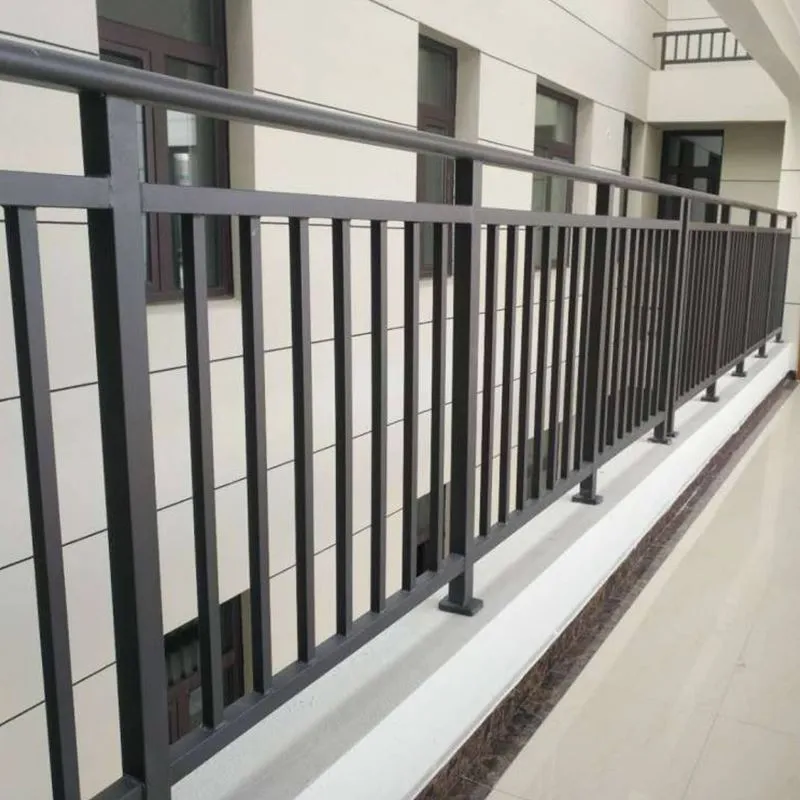
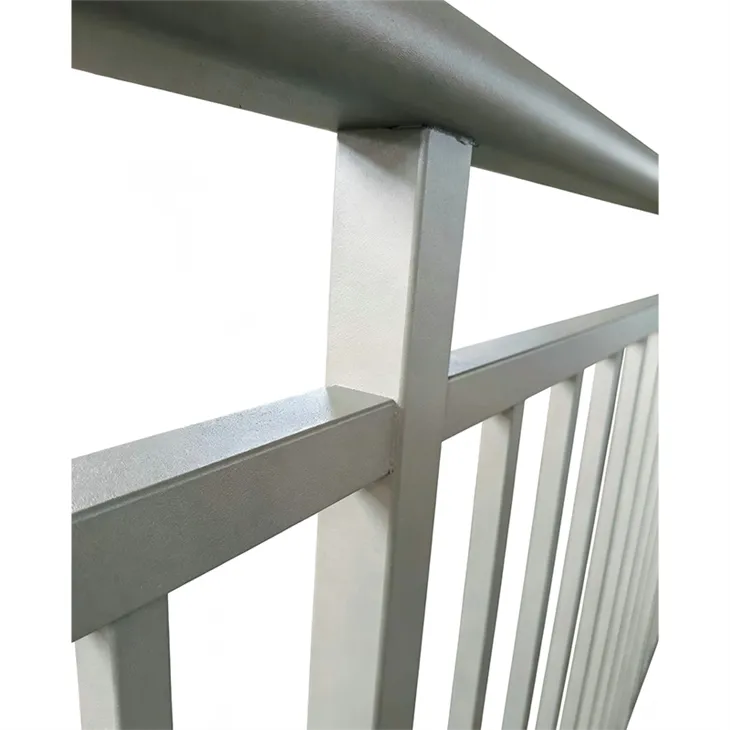
Corrosion
Cold climates can be harsh on materials, especially when it comes to corrosion. Moisture from snow and ice can cause rust and corrosion on steel railings, while salt and other de-icing agents can accelerate the corrosion process. To prevent corrosion, it's important to choose materials that are resistant to corrosion, such as aluminum or stainless steel. Additionally, proper maintenance, such as applying a protective coating or sealant, can help prevent corrosion.
Best Practices for Using Welded Railings in Cold Climates
To ensure the performance and longevity of welded railings in cold climates, it's important to follow these best practices:
Choose the Right Material
As mentioned earlier, the choice of material is crucial when using welded railings in cold climates. Steel, aluminum, and stainless steel are all suitable materials, but each has its own advantages and disadvantages. Consider the specific requirements of your project, such as load-bearing capacity, corrosion resistance, and budget, when choosing the material for your railing.
Proper Installation
Proper installation is essential for the performance and longevity of welded railings. Make sure the railing is installed by a qualified professional who has experience working with welded railings in cold climates. The installation should include proper anchoring, expansion and contraction joints, and a protective finish to prevent corrosion.
Regular Maintenance
Regular maintenance is key to keeping your welded railings in good condition. This includes inspecting the railing for damage, cleaning it regularly, and applying a protective coating or sealant as needed. Additionally, it's important to remove snow and ice from the railing to prevent damage.
Our Welded Railing Products
At our company, we offer a wide range of welded railing products that are suitable for cold climates. Our Rod Railing System is a popular choice for both residential and commercial applications. It features a sleek and modern design, and it is available in a variety of finishes to match your style. Our Horizontal Balcony Railing is another great option for cold climates. It is designed to provide maximum safety and security, and it is available in a variety of colors and styles. Finally, our Walkway Railings are perfect for outdoor walkways and paths. They are made from high-quality materials and are designed to withstand the elements.
Contact Us for Your Welded Railing Needs
If you're looking for a reliable and durable welded railing solution for your cold climate project, look no further. Our team of experts is here to help you choose the right railing for your needs and ensure its proper installation and maintenance. Contact us today to learn more about our products and services, and to get a free quote.
References
- "Cold Climate Construction: Best Practices for Building in Harsh Environments." National Institute of Building Sciences.
- "Corrosion Prevention in Cold Climates." American Galvanizers Association.
- "Steel in Cold Weather." American Institute of Steel Construction.