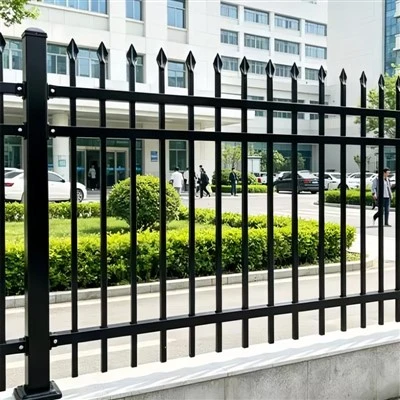

Hey there! As a supplier of welded railings, I often get asked about all sorts of technical details. One question that pops up quite a bit is, "What is the friction coefficient of a welded railing?" Well, let's dive right into it.
First off, what exactly is the friction coefficient? In simple terms, it's a measure of how much resistance there is when two surfaces slide against each other. For a welded railing, this can be super important for a few reasons.
Let's say you've got a Guard Rail in Road. These are used to keep vehicles from going off the road or into dangerous areas. The friction coefficient of the railing surface can affect how a vehicle interacts with it during a collision. If the friction is too low, the vehicle might just slide right off the railing without much resistance, which could lead to a more severe accident. On the other hand, if the friction is too high, it could cause excessive damage to the vehicle and potentially harm the passengers.
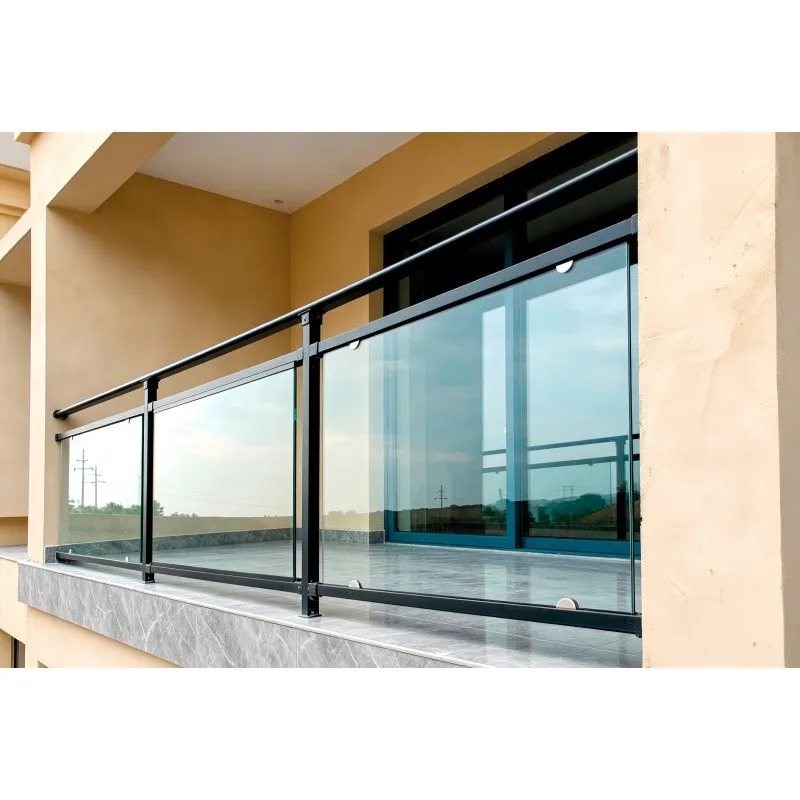
For Outdoor Balcony Glass Railing, the friction coefficient matters in a different way. People lean on these railings, and if the surface is too slippery, there's a risk of them losing their grip and falling. A proper friction coefficient ensures that it's safe for people to use and provides the necessary support.
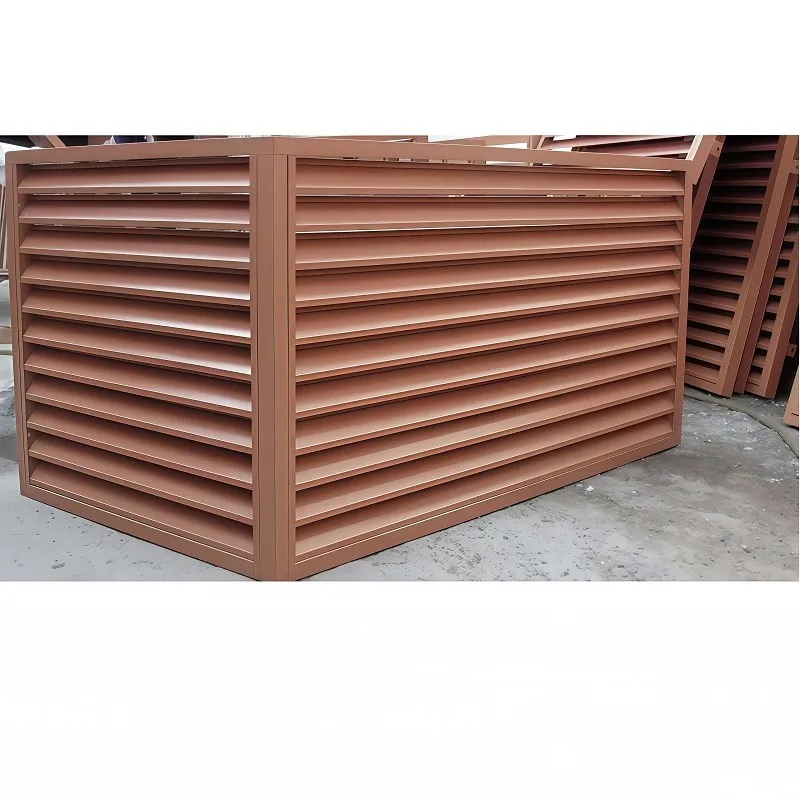
Now, Louvered Railing is another type where friction plays a role. These railings are often used for privacy and aesthetic purposes. The friction coefficient can affect how easy it is to clean and maintain them. If the surface has a high friction, dirt and debris might get stuck more easily, making it a hassle to keep clean.
The friction coefficient of a welded railing can be influenced by several factors. The material the railing is made of is a big one. For example, if it's made of stainless steel, it will have a different friction coefficient compared to a railing made of aluminum. The finish of the railing also matters. A smooth, polished finish will generally have a lower friction coefficient than a rough, textured one.
The environment where the railing is installed can also have an impact. If it's in a place with a lot of moisture, like near the ocean or in a rainy area, the friction coefficient might change over time due to corrosion or the build-up of a thin layer of water on the surface.
Measuring the friction coefficient of a welded railing isn't a simple task. There are specialized testing equipment and methods used to get an accurate reading. Usually, it involves applying a known force to a sample of the railing surface and measuring the resistance as it slides against another surface.
In the real world, different applications require different friction coefficients. For a safety railing in a high-traffic area, you'd want a relatively high friction coefficient to prevent slips and falls. But for a railing that's part of a decorative structure, a lower friction coefficient might be acceptable as long as it doesn't compromise safety.
As a supplier, we take all these factors into account when manufacturing our welded railings. We use high-quality materials and advanced manufacturing processes to ensure that the friction coefficient meets the requirements of our customers. Whether you need a railing for a road, a balcony, or a louvered design, we've got you covered.
If you're in the market for a welded railing and have questions about the friction coefficient or any other technical details, don't hesitate to reach out. We're here to help you make the right choice for your project. Contact us to start a conversation about your railing needs and let's work together to find the perfect solution.
References
- Engineering textbooks on materials science and friction
- Industry standards and guidelines for railing design and safety