


What is the Weight of a Typical Grille Railing?
As a grille railing supplier, I often get asked about the weight of our products. Understanding the weight of a grille railing is crucial for various reasons, including transportation, installation, and structural considerations. In this blog post, I'll delve into the factors that influence the weight of a typical grille railing and provide some general guidelines to help you estimate it.
Factors Affecting the Weight of Grille Railings
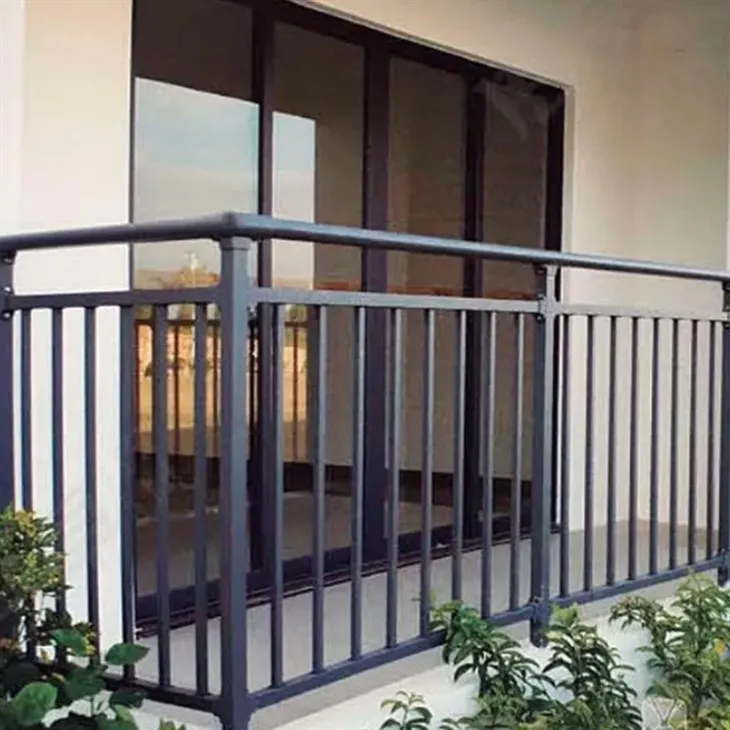
The weight of a grille railing is determined by several key factors:

-
Material: The material used to construct the grille railing has a significant impact on its weight. Common materials include steel, aluminum, and stainless steel. Steel is generally heavier than aluminum and stainless steel due to its higher density. For example, carbon steel has a density of approximately 7,850 kg/m³, while aluminum has a density of around 2,700 kg/m³. Stainless steel falls in between, with a density typically ranging from 7,500 to 8,000 kg/m³.
-
Dimensions: The size and dimensions of the grille railing also play a role in its weight. Larger railings with more extensive surface areas and longer lengths will naturally weigh more than smaller ones. Additionally, the thickness of the railing components, such as the bars and frames, can affect the overall weight. Thicker bars and frames will add more mass to the railing.
-
Design Complexity: The design of the grille railing can influence its weight. Railings with intricate patterns, decorative elements, or multiple layers will generally be heavier than simple, straightforward designs. This is because additional materials and construction techniques are required to create these complex designs.
-
Coating or Finish: The type of coating or finish applied to the grille railing can add some weight. For example, a powder-coated finish may add a small amount of mass compared to an uncoated railing. However, the weight difference is usually minimal and may not be a significant factor in most cases.
Estimating the Weight of a Typical Grille Railing
To estimate the weight of a grille railing, you can follow these general steps:
-
Determine the Material: First, identify the material used for the railing. As mentioned earlier, the density of the material will be a key factor in calculating the weight.
-
Measure the Dimensions: Measure the length, width, and height of the railing, as well as the thickness of the bars and frames. These measurements will be used to calculate the volume of the railing.
-
Calculate the Volume: Multiply the length, width, and height of the railing to determine its volume. If the railing has a complex shape, you may need to break it down into smaller, more manageable sections and calculate the volume of each section separately.
-
Multiply by the Density: Once you have the volume of the railing, multiply it by the density of the material to calculate the weight. For example, if you have a steel grille railing with a volume of 0.5 m³ and a density of 7,850 kg/m³, the weight would be 0.5 m³ x 7,850 kg/m³ = 3,925 kg.
It's important to note that these calculations are approximate and may not account for all factors, such as the weight of any additional components or the effects of the coating or finish. Additionally, the actual weight of a grille railing may vary depending on the manufacturing process and the specific design requirements.
Examples of Grille Railing Weights
To give you a better idea of the weight of typical grille railings, here are some examples based on common materials and dimensions:
-
Steel Grille Railing: A standard 6-foot by 3-foot steel grille railing with 1-inch diameter bars and a 2-inch frame may weigh approximately 100 to 150 pounds. However, this weight can vary depending on the thickness of the bars and frame, as well as the design complexity.
-
Aluminum Grille Railing: A similar-sized aluminum grille railing with the same dimensions and bar diameter may weigh around 30 to 50 pounds. Aluminum is lighter than steel, which makes it a popular choice for applications where weight is a concern.
-
Stainless Steel Grille Railing: A stainless steel grille railing of the same size and design may weigh between 80 and 120 pounds. Stainless steel offers a good balance of strength and corrosion resistance, but it is slightly heavier than aluminum.
Importance of Knowing the Weight of Grille Railings
Understanding the weight of a grille railing is important for several reasons:
-
Transportation: The weight of the railing will affect the cost and logistics of transporting it to the installation site. Heavier railings may require special handling equipment or larger vehicles, which can increase the transportation costs.
-
Installation: The weight of the railing can also impact the installation process. Heavier railings may require more manpower and equipment to install, which can increase the installation time and cost. Additionally, the structural integrity of the building or structure where the railing will be installed must be able to support the weight of the railing.
-
Structural Considerations: The weight of the railing is an important factor in determining the structural requirements of the building or structure. The railing must be designed and installed in a way that ensures it can withstand the expected loads, including the weight of the railing itself, as well as any additional loads from people or objects.
Related Products and Links
If you're interested in learning more about grille railings and other railing systems, I recommend checking out the following links:
- Horizontal Balcony Railing: This link provides information about horizontal balcony railings, which are a popular choice for residential and commercial applications.
- Grille Railing: Here, you can find detailed information about our grille railings, including their features, benefits, and design options.
- Louvered Railing: This link offers information about louvered railings, which are known for their unique design and functionality.
Contact Us for More Information
If you have any questions about the weight of our grille railings or would like to discuss your specific requirements, please don't hesitate to contact us. Our team of experts is available to provide you with detailed information and assist you in selecting the right railing system for your project. We look forward to working with you and helping you create a safe and stylish environment.
References
- "Materials Science and Engineering: An Introduction" by William D. Callister Jr. and David G. Rethwisch
- "Structural Steel Design" by William T. Segui
- "Aluminum Design Manual" by the Aluminum Association


