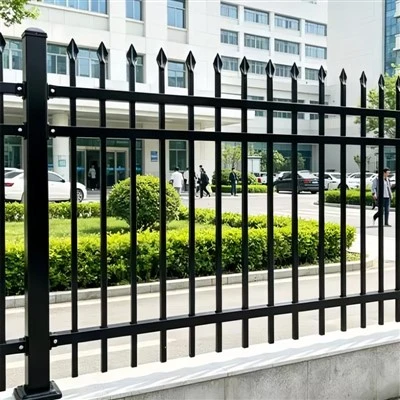

Hey there! As a supplier of indoor banister railings, I've seen a whole bunch of materials being used in this field. Today, I'm gonna share with you some of the most commonly used materials for indoor banister railings.
Wood
Wood is a classic choice for indoor banister railings, and it's easy to see why. First off, it has a warm and natural look that can add a touch of elegance to any interior. Whether you're going for a rustic, traditional, or even a modern style, wood can fit right in.


There are different types of wood you can use. Hardwoods like oak, maple, and cherry are super popular. Oak, for example, is known for its strength and durability. It can withstand a lot of wear and tear, which is important for a railing that people will be holding onto regularly. Maple has a smooth, light - colored grain that gives a clean and fresh look. Cherry, on the other hand, has a rich, reddish - brown color that deepens over time, adding character to the railing.
One of the great things about wood is that it's easy to work with. You can shape it into all sorts of designs, from simple straight lines to intricate curves and carvings. You can also stain or paint it to match the color scheme of your room. However, wood does require some maintenance. It can be prone to scratches, dents, and moisture damage if not properly cared for. You'll need to regularly clean it and apply a protective finish to keep it looking its best.
Metal
Metal is another widely used material for indoor banister railings. It offers a more contemporary and industrial look compared to wood. There are several types of metal that are commonly used.
Steel
Steel is a very strong and durable option. It can handle heavy loads and is resistant to bending and breaking. You can get steel railings in different finishes, such as powder - coated or galvanized. Powder - coating gives the railing a smooth, colorful finish that is also resistant to chipping and fading. Galvanized steel has a protective zinc coating that helps prevent rust.
Steel railings can be made in a variety of styles. They can be sleek and minimalist, with straight lines and simple designs. Or, you can go for a more decorative look with scrollwork and patterns. However, steel can be quite heavy, which might be a consideration when installing it, especially in upper - level areas.
Aluminum
Aluminum is a lightweight alternative to steel. It's also corrosion - resistant, which makes it a great choice for areas with high humidity or moisture, like bathrooms or near swimming pools. Aluminum railings are easy to install and can be painted or anodized to achieve different colors and finishes.
Anodizing is a process that creates a protective layer on the aluminum surface, making it more resistant to scratches and wear. Aluminum railings can have a modern, clean look, and they're often used in contemporary and minimalist interior designs.
Iron
Iron has a long history of being used for banister railings. It's known for its strength and the ability to create elaborate and decorative designs. Wrought iron, in particular, is very popular for its detailed scrolls and intricate patterns.
Iron railings can add a touch of old - world charm to a space. However, they do require some maintenance to prevent rust. You'll need to regularly clean and paint them to keep them in good condition.
Glass
Glass is becoming increasingly popular for indoor banister railings, especially in modern and contemporary designs. It gives a sense of openness and transparency, which can make a space feel larger and more airy.
There are different types of glass that can be used. Tempered glass is a common choice because it's very strong and safe. If it breaks, it shatters into small, rounded pieces rather than sharp shards, reducing the risk of injury.
Laminated glass is another option. It consists of two or more layers of glass with a plastic interlayer in between. This makes it even stronger and more resistant to breakage. Laminated glass can also offer some sound insulation and UV protection.
Glass railings can be installed in different ways. They can be framed, where the glass is held in place by a metal or wood frame. Or, they can be frameless, which gives a more sleek and minimalist look. However, glass does require regular cleaning to keep it looking clear and streak - free.
Plastic
Plastic is a cost - effective option for indoor banister railings. It's lightweight, easy to install, and comes in a variety of colors and styles. PVC (polyvinyl chloride) is a commonly used plastic for railings.
PVC railings are low - maintenance. They don't require painting or staining, and they're resistant to moisture, rot, and insects. They can mimic the look of wood or metal, making them a versatile choice for different interior styles.
However, plastic may not have the same level of durability as wood, metal, or glass. It can be prone to fading and cracking over time, especially if exposed to direct sunlight for long periods.
Composite Materials
Composite materials are a combination of different substances, often wood fibers and plastic. They offer the best of both worlds. They have the natural look of wood but with the durability and low - maintenance properties of plastic.
Composite railings are resistant to rot, insects, and moisture. They don't warp or crack like wood, and they don't require staining or painting. They come in a variety of colors and styles, and they can be a great option for those who want the look of wood without the hassle of maintenance.
Now, if you're in the market for indoor banister railings, we've got a wide range of options available. We also offer related products like Roof Top Rail, Assembled Zinc - Steel Fencing, and Connecting Corridor Railings.
If you're interested in learning more about our products or want to discuss your specific needs, don't hesitate to reach out. We're here to help you find the perfect indoor banister railing for your space.
References
- "Handbook of Building Construction Materials"
- "Interior Design: Materials and Finishes"