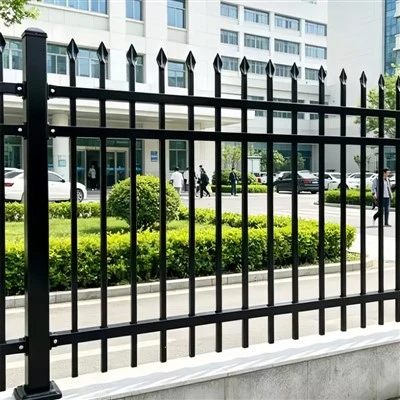

Head-on collisions are among the most severe and life-threatening incidents on the road. These collisions often result from a variety of factors, such as driver error, impaired driving, or mechanical failures. Guard rails, an essential safety feature on many roads, play a crucial role in preventing these catastrophic events. As a supplier of Guard Rail in Road, I have witnessed firsthand the importance of these structures in enhancing road safety.
The Mechanics of Guard Rails
Guard rails are designed to redirect errant vehicles and prevent them from crossing into oncoming traffic. They are typically made of steel or concrete and are installed along the edges of roads, bridges, and other high-risk areas. The primary function of a guard rail is to absorb the impact of a vehicle and gradually slow it down, reducing the force of the collision.
When a vehicle strikes a guard rail, the rail deforms and bends, dissipating the energy of the impact. This deformation process helps to prevent the vehicle from rebounding into traffic or rolling over. Additionally, the guard rail is designed to guide the vehicle back onto the road in a controlled manner, minimizing the risk of a head-on collision.

Types of Guard Rails
There are several types of guard rails available, each with its own unique design and function. The most common types include:
- W-beam guard rails: These are the most widely used type of guard rail. They consist of a series of corrugated steel beams that are bolted together and supported by posts. W-beam guard rails are effective at redirecting vehicles and absorbing impact energy.
- Thrie-beam guard rails: Similar to W-beam guard rails, thrie-beam guard rails have an additional corrugation, which provides increased strength and stiffness. They are often used in high-speed areas or where there is a greater risk of severe collisions.
- Concrete barrier walls: These are solid walls made of concrete that are used to separate traffic lanes or protect pedestrians. Concrete barrier walls are highly effective at preventing head-on collisions, but they are also more expensive and difficult to install than other types of guard rails.
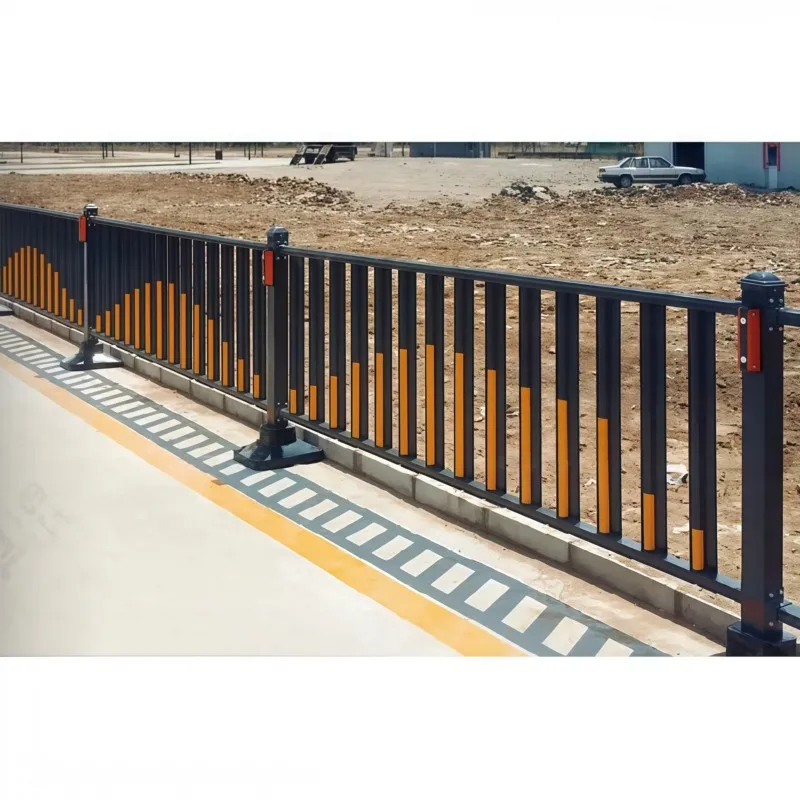
- Rod Railing System: This type of guard rail consists of a series of vertical rods that are connected by horizontal rails. Rod railing systems are often used in residential or commercial settings, but they can also be used on roads to provide a decorative and functional safety barrier.
Installation and Maintenance
Proper installation and maintenance of guard rails are essential to ensure their effectiveness. Guard rails should be installed according to the manufacturer's specifications and local regulations. They should be securely anchored to the ground and inspected regularly for damage or wear.
In addition to regular inspections, guard rails should be repaired or replaced as needed. Damaged or worn guard rails may not be able to provide the necessary protection in the event of a collision. It is also important to ensure that guard rails are properly maintained to prevent corrosion and other forms of damage.
Benefits of Guard Rails
The benefits of guard rails are numerous. They not only prevent head-on collisions but also reduce the severity of other types of accidents. By redirecting errant vehicles and absorbing impact energy, guard rails help to protect drivers, passengers, and pedestrians.
In addition to their safety benefits, guard rails can also improve the aesthetics of a road. They can be designed to blend in with the surrounding environment or to provide a decorative element. This can enhance the overall appearance of a road and make it more appealing to drivers and pedestrians.
Our Role as a Supplier
As a supplier of Guard Rail in Road, we are committed to providing high-quality products and services to our customers. We offer a wide range of guard rail systems, including W-beam, thrie-beam, and concrete barrier walls, as well as Rod Railing System and Modern Stair Handrail Wall Mounted.
Our products are designed to meet the highest standards of safety and durability. We use only the best materials and manufacturing processes to ensure that our guard rails are able to withstand the rigors of the road. In addition, we offer a comprehensive range of installation and maintenance services to ensure that our customers' guard rails are properly installed and maintained.
Contact Us for Purchasing
If you are interested in purchasing guard rails for your road project, we encourage you to contact us. Our team of experts can help you choose the right type of guard rail for your needs and provide you with a competitive quote. We are committed to providing our customers with the best possible products and services, and we look forward to working with you to enhance the safety of your roads.
References
- American Association of State Highway and Transportation Officials (AASHTO). (2018). A Policy on Geometric Design of Highways and Streets.
- Federal Highway Administration (FHWA). (2016). Roadside Design Guide.
- National Cooperative Highway Research Program (NCHRP). (2014). NCHRP Report 750: Recommended Procedures for the Safety Performance Evaluation of Highway Features.